





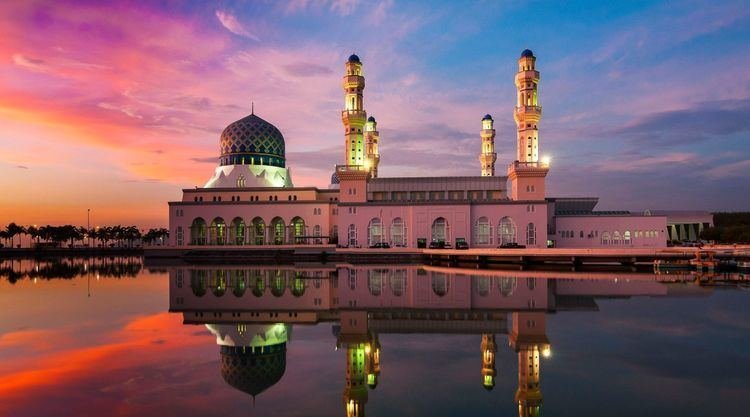
The Floating Mosque Kota Kinabalu, officially known as the Kota Kinabalu City Mosque, is one of Sabah’s most iconic landmarks. Famous for its stunning reflection on a man-made lagoon, the mosque is often called the floating mosque because of its unique design that makes it appear as if it is floating on water. For both international travelers and Malaysian tourists, this breathtaking attraction is a must-visit when exploring Kota Kinabalu. In this guide, we’ll cover the mosque’s history, architecture, cultural importance, dress code, visiting hours, photography tips, and nearby attractions to help you plan the perfect visit.
History of Floating Mosque Kota Kinabalu
The Floating Mosque Kota Kinabalu was officially opened in 2000, after construction began in the early 1990s. Built in a modern Islamic architectural style, the mosque was inspired by Medina’s Nabawi Mosque in Saudi Arabia. It has a prayer hall that can accommodate up to 12,000 worshippers at a time, making it one of the largest mosques in Malaysia.
The mosque serves not only as a place of worship but also as a cultural and educational hub, hosting Islamic learning programs, Quranic recitation classes, and community activities.
Why It’s Called the Floating Mosque
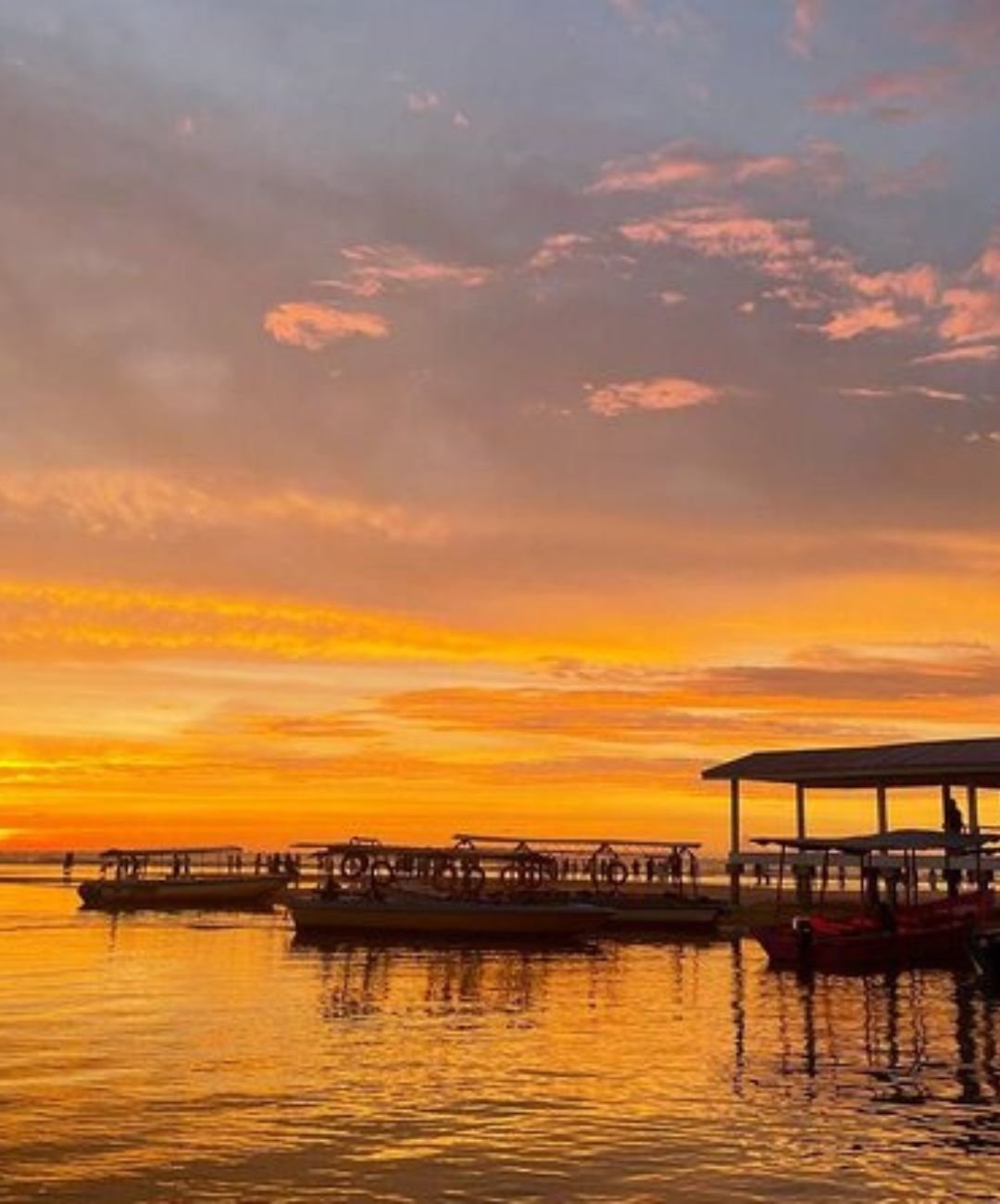
What makes the mosque famous is its location beside a man-made lagoon in Likas Bay. When the water is calm, the mosque reflects beautifully, creating a mirror-like illusion that makes it look like it’s floating. This reflection effect is especially magical during sunrise and sunset, making it one of the most photographed landmarks in Sabah.
Cultural Significance of the Floating Mosque
Islam is the official religion of Malaysia, and mosques like this play a vital role not only in worship but also in fostering community bonds. The Floating Mosque is a prime example of how Islamic architecture blends spirituality with aesthetics.
For locals, it is a space for daily prayers, religious festivals like Hari Raya Aidilfitri, and community gatherings. For visitors, it offers a chance to witness Sabah’s Islamic heritage up close and respectfully learn about local traditions.
Location & How to Get There
Floating Mosque Kota Kinabalu
- Located in Likas Bay, about 5 km from Kota Kinabalu city center.
Transport Options:
- Grab / Taxi: The easiest and most convenient way. Costs about RM 10–20 from city center.
- Car Rental KK: Great option if you plan to explore multiple attractions in one day. Parking is available near the mosque.
- Public Bus: Some local minibuses pass by Likas, but it’s less convenient.
- Tour Packages: Many city tours include the mosque as a stop, often combined with Signal Hill or island tours.
Opening Hours & Entrance Information
The mosque is open daily but has specific visiting hours for tourists to respect prayer times.
- Visiting Hours: 8:00 AM – 5:00 PM (Closed during prayer times).
- Friday Closure: Non-Muslim visitors are not allowed during Friday prayers.
- Entrance Fee: Around RM 5–10 for international visitors (subject to change). Modest robe rental may be extra.
Always check the official schedule or with your tour guide before planning a visit.
Dress Code & Visitor Etiquette
As an active mosque, modest dress is required for all visitors:
- Men: Long trousers and covered shoulders.
- Women: Long skirts or pants, long sleeves, and headscarf (hijab). Robes and scarves are available for rent at the entrance.
- Footwear: Remove shoes before entering the prayer hall.
Etiquette Tips:
- Be quiet and respectful during your visit.
- Photography inside the prayer hall may be restricted.
- Avoid visiting during prayer times unless you are there to pray.
Best Photography Spots & Tips
The Floating Mosque is one of Kota Kinabalu’s most Instagram able locations.
Best Spots for Photo at Floating Mosque Kota Kinabalu
- Lagoon Reflection View: The classic shot with the mosque reflected in the water.
- Sunset Photography: The mosque glows golden as the sun sets behind it.
- Morning Light: Early morning provides soft lighting and fewer crowds.
- Drone Photography: Restricted in many areas, always check regulations.
Top Photography Tips:
- Golden Hour Shots: Arrive at sunrise or sunset for magical colors.
- Tripod Use: For long-exposure shots of the lagoon reflection.
- Wide-Angle Lens: To capture the mosque’s full grandeur with its four minarets.
- Avoid Midday: Lighting can be harsh, making reflections less clear.
- Respect Worshippers: Never interrupt prayers for photos.
Activities at Floating Mosque Kota Kinabalu
Beyond sightseeing, the mosque offers:
- Guided Tours: Some tours include cultural explanations about Islam.
- Islamic Learning Center: Learn about local Islamic culture and traditions.
- Prayer Observation: Visitors may respectfully observe prayers (from designated areas).
Nearby Attractions
Combine your mosque visit with these nearby attractions:
- Likas Bay Park: Scenic seaside area for jogging or evening walks.
- KK Wetland Centre: A mangrove conservation area with birdwatching opportunities.
- Atkinson Clock Tower: Historical site in city center.
- Signal Hill Observatory: Panoramic city views.
- Suria Sabah Mall: Shopping and dining close to the mosque.
Best Time to Visit Floating Mosque Kota Kinabalu
- Morning: Cooler weather, softer light for photography.
- Sunset: Magical golden reflections on the lagoon.
- Avoid Fridays: Mosque is closed to non-Muslims during Friday prayers.
Traveler Tips & Safety at Floating Mosque Kota Kinabalu
- Respect local customs and dress modestly.
- Bring cash for entrance fee and robe rental.
- Avoid loud conversations inside the mosque.
- Be careful when walking near the lagoon.
- Visit early to avoid tour crowds.
Suggested Half-Day Itinerary:
- 8:00 AM – 9:30 AM: Visit Floating Mosque for photos and exploration.
- 10:00 AM – 11:00 AM: Head to KK Wetland Centre.
- 11:30 AM – 1:00 PM: Enjoy lunch at Suria Sabah Mall.
- Afternoon: Continue exploring Kota Kinabalu city attractions.
Frequently Asked Questions (FAQs)
1. Can non-Muslims enter the floating mosque Kota Kinabalu?
Yes, but only outside of prayer times, and modest dress is required.
2. Is there an entrance fee at floating mosque Kota Kinabalu?
Yes, usually RM 5–10 for tourists.
3. How long should I spend at the mosque?
Around 1–2 hours are enough for sightseeing and photography.
4. Can I take photos inside?
Photography is usually allowed outside but restricted inside the prayer hall.
5. Is it family-friendly?
Yes, families and children are welcome.
6. Can I pray if I am Muslim?
Yes, the mosque is fully functional and open to Muslim worshippers.
7. Is it accessible for disabled visitors?
Yes, the mosque has ramps and basic accessibility facilities.
8. Is there food nearby?
Yes, food stalls and cafes can be found in Likas Bay and at Suria Sabah Mall.
Why You Must Visit Floating Mosque Kota Kinabalu
The Floating Mosque Kota Kinabalu is one of Sabah’s most photogenic and meaningful attractions. With its elegant architecture, cultural significance, and breathtaking lagoon reflections, it offers both spiritual depth and visual beauty. Whether you are here to learn, admire, or capture stunning photographs, the mosque is a must-visit highlight of any Kota Kinabalu trip.



0 Comments