





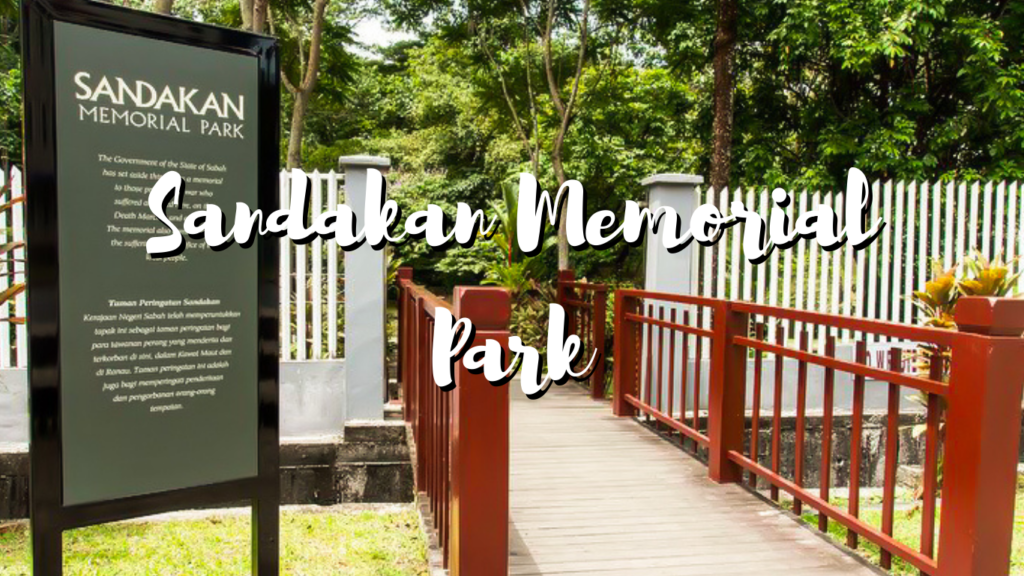
The Sandakan Memorial Park in Sabah Malaysia stands as one of the most important historical landmarks in Borneo. Located on the site of a former WWII prisoner-of-war (POW) camp, it commemorates the suffering and sacrifice of Australian, British, and local prisoners during the Japanese occupation. Today, the memorial serves as a solemn reminder of war’s human cost and a peaceful place for reflection, remembrance, and education.
History of Sandakan Memorial Park Sabah Malaysia
Sandakan Memorial Park and the POW Camp During WWII
During World War II, the Japanese established a large Prisoner-of-War (POW) camp at Sandakan to hold captured Australian and British soldiers. Conditions in the camp were harsh, with malnutrition, forced labor, and disease claiming countless lives.
Sandakan Death Marches Remembered at Sandakan Memorial Park

The most tragic chapter associated with Sandakan was the Death Marches of 1945. As Allied forces advanced, the Japanese forced over 2,400 prisoners on grueling treks from Sandakan to Ranau, deep in the interior of Sabah. Only six Australians survived, making it one of the most harrowing POW tragedies in history.
Post-War Establishment of Sandakan Memorial Park Borneo
After the war, little remained of the camp. In 1999, with cooperation between the Sabah government and the Australian government, the Sandakan Memorial Park was established on part of the former POW site. It was designed both as a place of remembrance and as an educational site for future generations.
> According to the Australian War Memorial, Sandakan remains one of the darkest chapters of the Pacific War, symbolizing both human suffering and resilience.
Significance of Sandakan Memorial Park in Sabah Malaysia

(By Photo by CEphoto, Uwe Aranas or alternatively © CEphoto, Uwe Aranas, CC BY-SA 3.0, Link)
War Memorial
The park is dedicated to the Australian and British POWs who lost their lives during the Sandakan Death Marches, as well as local Sabahans who assisted them at great personal risk.
Place of Reflection
Surrounded by serene gardens, the park allows visitors to walk among remnants of the camp while reflecting on the tragic past. It is not only a tourist site but also a place for solemn remembrance.
Sandakan Memorial Park and International Commemoration
The site plays a central role in international remembrance, particularly for Australia and the United Kingdom, with annual ceremonies attracting visitors from around the world.
Visiting Sandakan Memorial Park Sabah Malaysia
Entrance Fees and Opening Hours
- Entry Fee: Free of charge.
- Opening Hours: Daily from 9:00 am to 5:00 pm.
- Recommended Visit Duration: 2–3 hours.
Facilities at Sandakan Memorial Park
- Memorial pavilion with historical exhibits.
- Walking trails through landscaped gardens.
- Signboards with detailed historical information.
- Rest areas and seating benches.
- Toilets and parking facilities.
Accessibility at Sandakan Memorial Park Sabah Malaysia
- Paved pathways make it accessible for elderly visitors and wheelchairs.
- Seating is provided for those who need frequent rests.
Key Features of Sandakan Memorial Park in Borneo
Memorial Pavilion
The central pavilion contains an exhibition with photographs, documents, and survivor accounts. Visitors gain insight into the daily struggles of POWs, the Death Marches, and the eventual liberation.
WWII Machinery Remnants
Large, rusted artifacts including a boiler, excavator, and generator are displayed as stark reminders of the forced labor endured by POWs.
Walking Trails and Gardens
Landscaped pathways wind through tropical gardens, allowing quiet reflection in nature. Interpretive panels provide context at different points.
Best Time to Visit Sandakan Memorial Park Sabah Malaysia
Morning Visits
- Cooler temperatures make it pleasant to walk the trails.
- Fewer visitors allow for quiet reflection.
Afternoon Visits
- More tour groups tend to arrive.
- Lighting is ideal for photography of memorial structures and gardens.
Annual Ceremonies
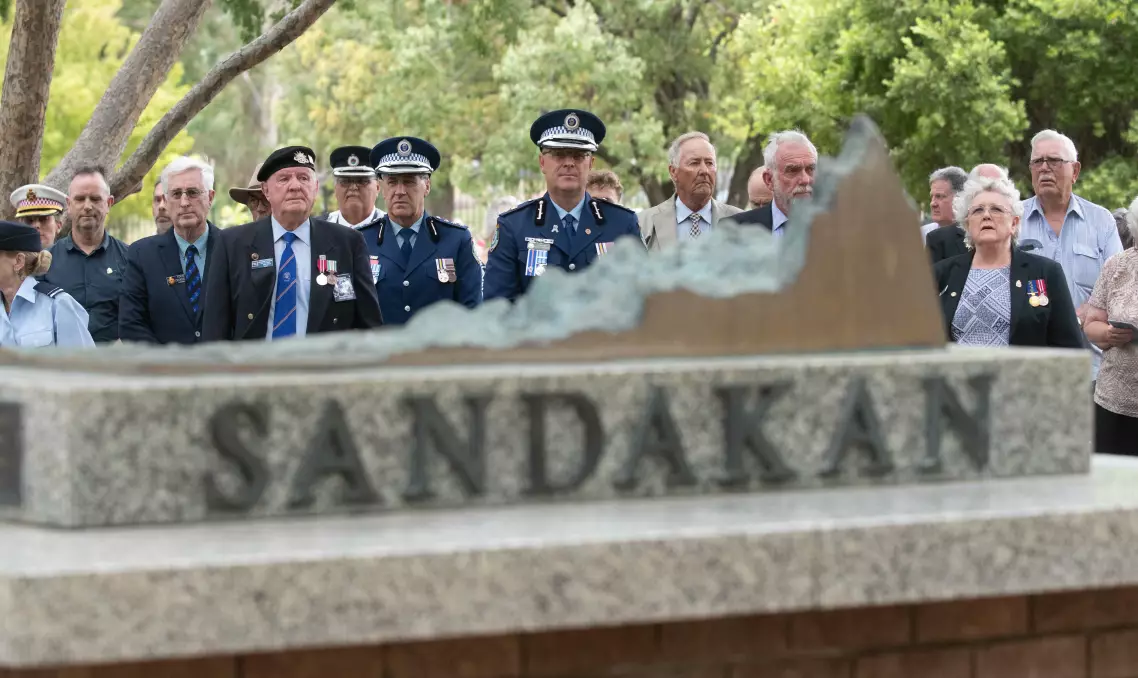
The annual ceremonies at Sandakan Memorial Park are solemn events of international remembrance.
- ANZAC Day (25 April) honors Australian and New Zealand soldiers, especially those who perished in the Sandakan Death Marches.
- Sandakan Day (15 August) marks the end of WWII and commemorates the 2,400 Australian and British POWs who died at Sandakan, with only six survivors.
Both ceremonies involve wreath-laying, prayers, and attendance by Malaysian, Australian, and British dignitaries, veterans, and visitors. They symbolize international solidarity and respect, making the park not only a tourist attraction but also a site of historical pilgrimage.
How to Get to Sandakan Memorial Park from Sandakan Town
- Distance: About 11 km from Sandakan town center.
- Travel Time: Approximately 20 minutes by car.
- Transport Options: Taxi, Grab, private tour operators, or self-drive.
- You can rent car at sabah car rental for more convenient tour by yourself.
Suggested Half-Day Itinerary at Sandakan Memorial Park
- 9:00 am: Arrive at Sandakan Memorial Park.
- 9:15 am: Begin with the Memorial Pavilion exhibition.
- 10:00 am: Walk along the landscaped trails and observe WWII relics.
- 11:00 am: Pause for reflection in the gardens.
- 12:00 pm: Depart or extend your visit for photography and rest.
Travel Tips
- Dress respectfully (light but modest clothing).
- Wear comfortable walking shoes.
- Bring water, especially if visiting during the hotter hours.
- Photography is allowed but avoid disruptive behavior.
- Allow quiet time for reflection—it is a war memorial.
Frequently Asked Questions (FAQ) about Sandakan Memorial Park
Is it worth visiting?
Yes, it offers a deeply moving experience for anyone interested in history, remembrance, or cultural tourism in Sabah.
How long should I spend at Sandakan Memorial Park?
Plan for at least 2 hours to fully explore the exhibits and grounds.
Is there a fee to enter Sandakan Memorial Park?
No, entry is free for all visitors.
Are guided tours available?
Yes, some local tour operators in Sandakan offer guided visits for historical context.
Can children visit Sandakan Memorial Park?
Yes, but it is best for older children who can appreciate the solemnity of the site.
This is Why Sandakan Memorial Park Should Be on Your Sabah Itinerary
The Sandakan Memorial Park Sabah Malaysia is a place of history, remembrance, and reflection. It honors the memory of those who perished during WWII while educating future generations about the importance of peace. Whether you are a history enthusiast, a traveler seeking meaningful experiences, or someone paying respects, Sandakan Memorial Park provides a solemn yet enriching journey into Borneo’s wartime past.



0 Comments