




Deep in the heart of Sabah, Malaysia lies one of Borneo’s most extraordinary natural wonders, the Maliau Basin. Often referred to as the “Lost World of Borneo”, this vast conservation area is a remote wilderness filled with towering rainforest, unique wildlife, and dramatic waterfalls. Unlike popular tourist islands and beaches, it remains largely untouched, making it a paradise for eco-tourists, adventurers, and nature lovers.
About Maliau Basin Sabah
What Makes Maliau Basin the Lost World of Borneo
The Maliau Basin Sabah is a massive saucer-shaped geological formation that covers over 390,000 acres of pristine rainforest. Its steep cliffs and rugged terrain make it one of the least-explored regions in Southeast Asia. Moreover, its isolation has helped preserve an incredible level of biodiversity, earning it the title “The Lost World of Borneo.”
History and Conservation of Maliau Basin
First discovered in the 1940s by a pilot, the Maliau Basin remained mostly unexplored until the 1980s. Recognizing its ecological importance, the Sabah government designated it as a conservation area in 1981. Today, it is managed by the Sabah Forestry Department as part of the Maliau Basin Conservation Area (MBCA).
Biodiversity and Unique Ecosystem of Maliau Basin
Maliau Basin is home to more than 1,800 plant species, over 80 mammal species, and hundreds of bird species. Moreover, it is one of the last remaining strongholds for endangered animals such as clouded leopards, orangutans, and Bornean pygmy elephants. Its dense rainforests, montane forests, and swamps create a unique ecosystem that is still being studied by scientists.
How to Get to Maliau Basin Sabah
From Kota Kinabalu to Maliau Basin
The journey to Maliau Basin begins in Kota Kinabalu, the capital of Sabah. Travelers typically fly or drive to Tawau or Lahad Datu, the nearest towns to the basin. From there, a 4WD vehicle is required to navigate the rugged terrain to the Maliau Basin Studies Centre (MBSC).
Travel Permits and Tour Requirements
Unlike other attractions in Sabah, visiting the Maliau Basin Sabah requires special permission. Independent travel is not allowed because all visitors must join guided tours organized through registered operators or the Sabah Forestry Department. This ensures the protection of the fragile ecosystem.
Guided Tours vs Independent Travel
While some adventurers may dream of exploring independently, it is both safer and more practical to join a guided tour. Professional guides provide jungle trekking support, safety briefings, and insights into the flora and fauna, making the experience richer and more memorable.
Things to Do in Maliau Basin
Jungle Trekking and Rainforest Exploration
The highlight of any trip to the Maliau Basin is jungle trekking. Trails range from moderate walks to challenging multi-day expeditions deep into the basin. Moreover, the remote atmosphere gives trekkers the feeling of stepping back in time into a primeval world.
Maliau Basin Waterfalls – Nature’s Masterpiece
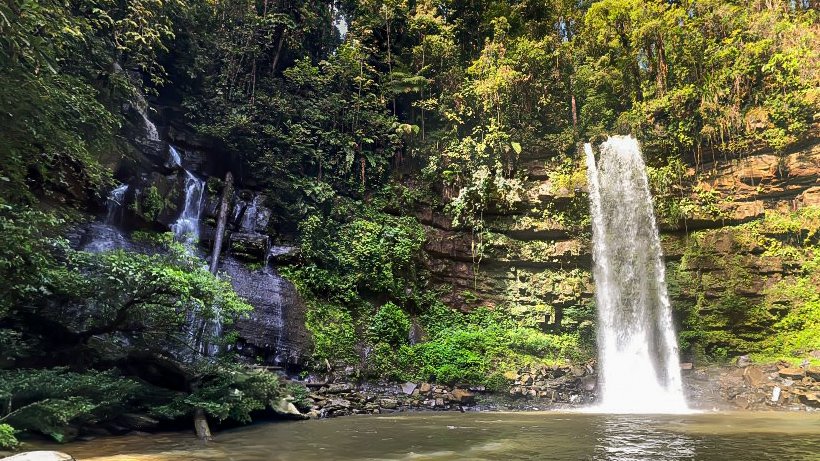
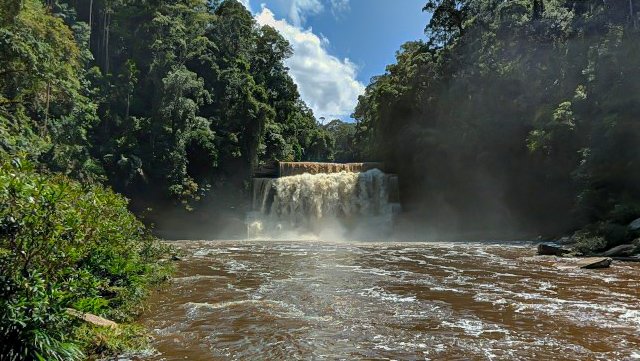
Among its many natural wonders, the Maliau Falls is the most spectacular. This seven-tier waterfall is one of the most iconic sights in Borneo, cascading dramatically into a lush jungle setting. In addition, there are other waterfalls such as Takob Akob Waterfall and Giluk Falls, each offering unique scenery.
Birdwatching and Wildlife Spotting
For wildlife enthusiasts, Maliau Basin Sabah is a dream come true. Birdwatchers can spot rare species such as the Bornean Bristlehead and hornbills, while lucky trekkers might glimpse wild orangutans or even the elusive clouded leopard. Night safaris also reveal nocturnal animals like civets, slow lorises, and owls.
Night Safaris and Rainforest Canopy Walks
At the Maliau Basin Studies Centre, visitors can take part in night safaris along the trails or enjoy canopy walks high above the forest floor. Therefore, even without multi-day trekking, the experience is still rewarding for day visitors.
Accommodation in Maliau Basin Sabah
Maliau Basin Studies Centre (MBSC)
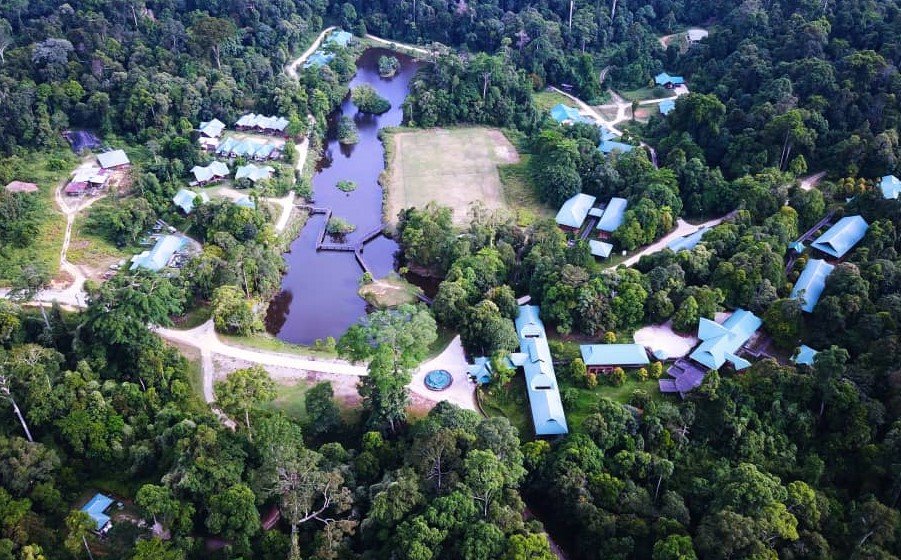
The main hub for visitors, the Maliau Basin Studies Centre, offers research facilities, dormitories, chalets, and a dining hall. Staying here gives you access to guided treks and conservation programs.
Research Lodges and Basic Accommodations
Within the basin, there are simple jungle camps and lodges used during multi-day treks. These are very basic expect shared facilities, cold water, and generator-powered electricity.
What to Expect During Your Stay
Since it’s focused on conservation, luxury facilities are minimal. Instead, visitors should prepare for rustic stays where the main focus is immersion in nature.
Best Time to Visit Maliau Basin
Weather and Trekking Conditions
The dry season from March to October is the best time to visit, offering easier trekking conditions and clearer weather. On the other hand, the rainy season from November to February can make trails slippery and river crossings challenging.
High Season vs Off-Peak Season
July and August are the busiest months for visitors. For a quieter experience, consider traveling in May, June, or September.
Tips for Choosing the Right Time to Go
If your main goal is wildlife spotting, plan your visit around the dry season when animals are more active near rivers and trails.
Travel Tips for Maliau Basin Visitors
- Pack light but smart: Bring breathable clothing, trekking boots, insect repellent, and a waterproof backpack.
- Stay safe: Always follow your guide’s instructions, as the rainforest can be unpredictable.
- Eco-friendly travel: Avoid single-use plastics, carry reusable water bottles, and respect conservation rules.
- Health precautions: Bring basic first aid, personal medication, and check for malaria prevention recommendations.
You Might Want to Read Our Other’s Blog
- Mahua Waterfall Tambunan Sabah | Complete Travel Guide
- Tabin Wildlife Reserve Sabah | Eco-Tourism Travel Guide
- Kinabatangan River Sabah Malaysia | Wildlife & Travel Guide
Nearby Attractions Around Maliau Basin
Danum Valley Conservation Area
Just a few hours from Maliau, Danum Valley is another biodiversity hotspot known for orangutan and pygmy elephant sightings.
Imbak Canyon Conservation Area
Often paired with Maliau, Imbak Canyon is a stunning rainforest reserve with waterfalls, caves, and rich flora.
Tawau Hills Park
Closer to Tawau, this park offers volcanic landscapes, hot springs, and giant trees, making it a good addition to a Sabah adventure itinerary.
Why Visit Maliau Basin Sabah?
Maliau Basin is A Rare Untouched Wilderness in Borneo
Few places on Earth remain as untouched as the Maliau Basin, making it a once-in-a-lifetime destination for explorers.
Perfect for Eco-Tourists and Adventure Seekers
From multi-day treks to wildlife safaris, the Maliau Basin Sabah offers the perfect balance of adventure and nature.
Supporting Conservation Through Responsible Travel
By visiting the Maliau Basin Conservation Area, travelers directly support eco-tourism initiatives and biodiversity research.
FAQs About Maliau Basin
Q: Can I visit Maliau Basin on my own?
A: No, all visits require guided tours with permits from the Sabah Forestry Department.
Q: How difficult are the treks?
A: Treks vary from moderate to challenging. Good fitness levels are recommended, especially for multi-day hikes.
Q: Is there internet or mobile coverage in Maliau Basin?
A: Limited or no coverage — prepare for a digital detox.
Q: How many days should I spend?
A: Most tours last between 3 to 5 days to fully experience trekking and waterfalls.
Maliau Basin Sabah, The Lost World Worth Exploring
In conclusion, the Maliau Basin Sabah is not just another travel destination it is a living laboratory of nature, a wilderness where time seems to stand still. With its dramatic waterfalls, rare wildlife, and pristine rainforest, the basin offers an experience unlike anywhere else in Malaysia. Therefore, if you are seeking an authentic eco-adventure, a chance to disconnect from modern life, and the opportunity to explore one of the world’s last great frontiers, the Maliau Basin should be at the very top of your Sabah itinerary.


0 Comments