





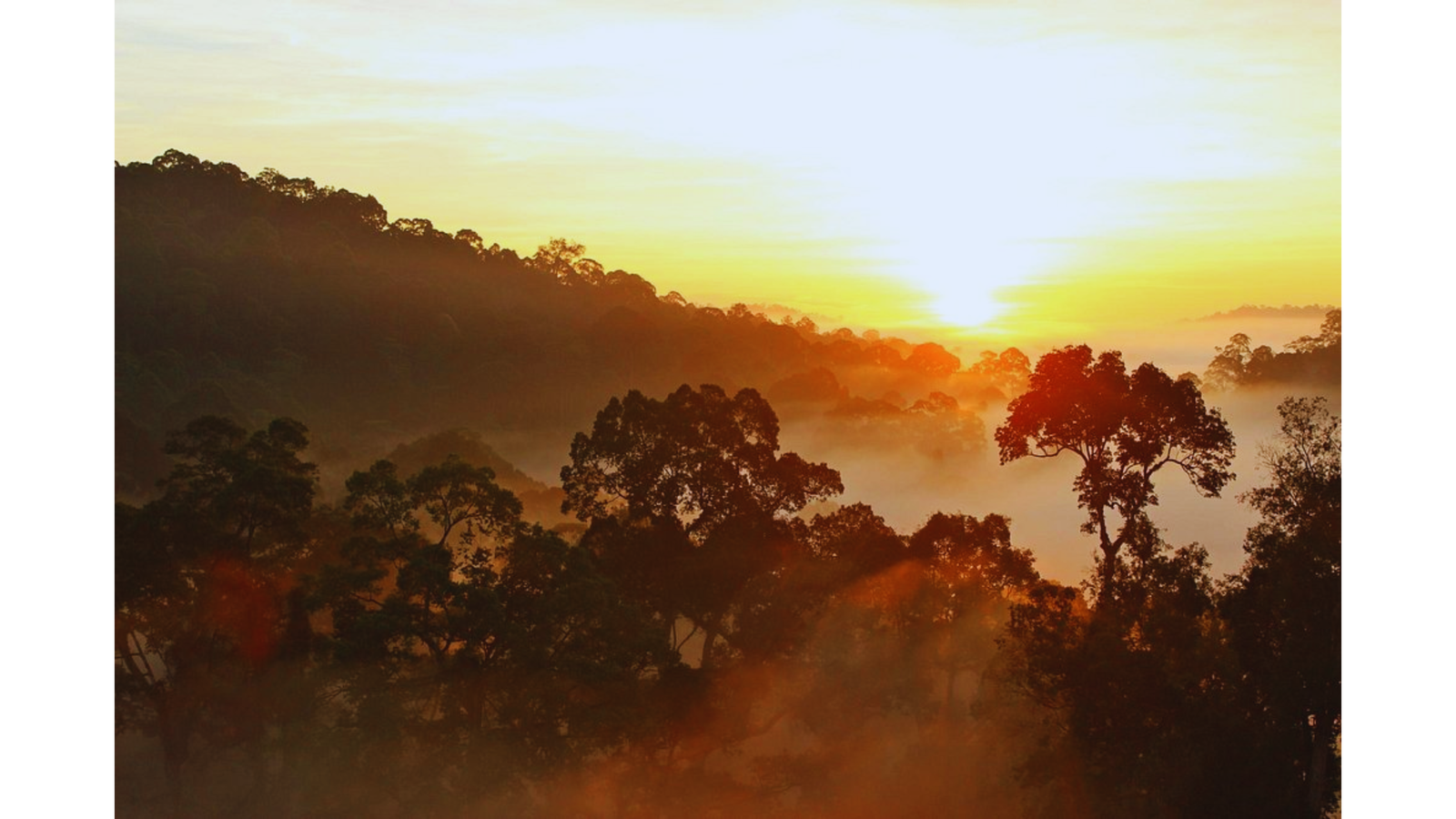
Sabah is widely known for its rainforests, wildlife, and commitment to conservation, and Deramakot Forest Reserve stands as one of the state’s most remarkable success stories. Located in eastern Sabah, this forest reserve has gained international recognition for sustainable forest management and exceptional wildlife protection. Unlike conventional tourist destinations, Deramakot Forest Reserve focuses on conservation rather than mass tourism. As a result, it offers a rare opportunity to experience Borneo’s rainforest in its most authentic form. For wildlife enthusiasts, researchers, and responsible travellers, Deramakot represents the heart of Sabah’s conservation efforts.
Where Deramakot Forest Reserve Is Located
It is located in eastern Sabah, approximately 70 kilometres west of Sandakan. The reserve covers a vast area of lowland dipterocarp rainforest, forming part of one of the largest remaining forest blocks in Borneo.
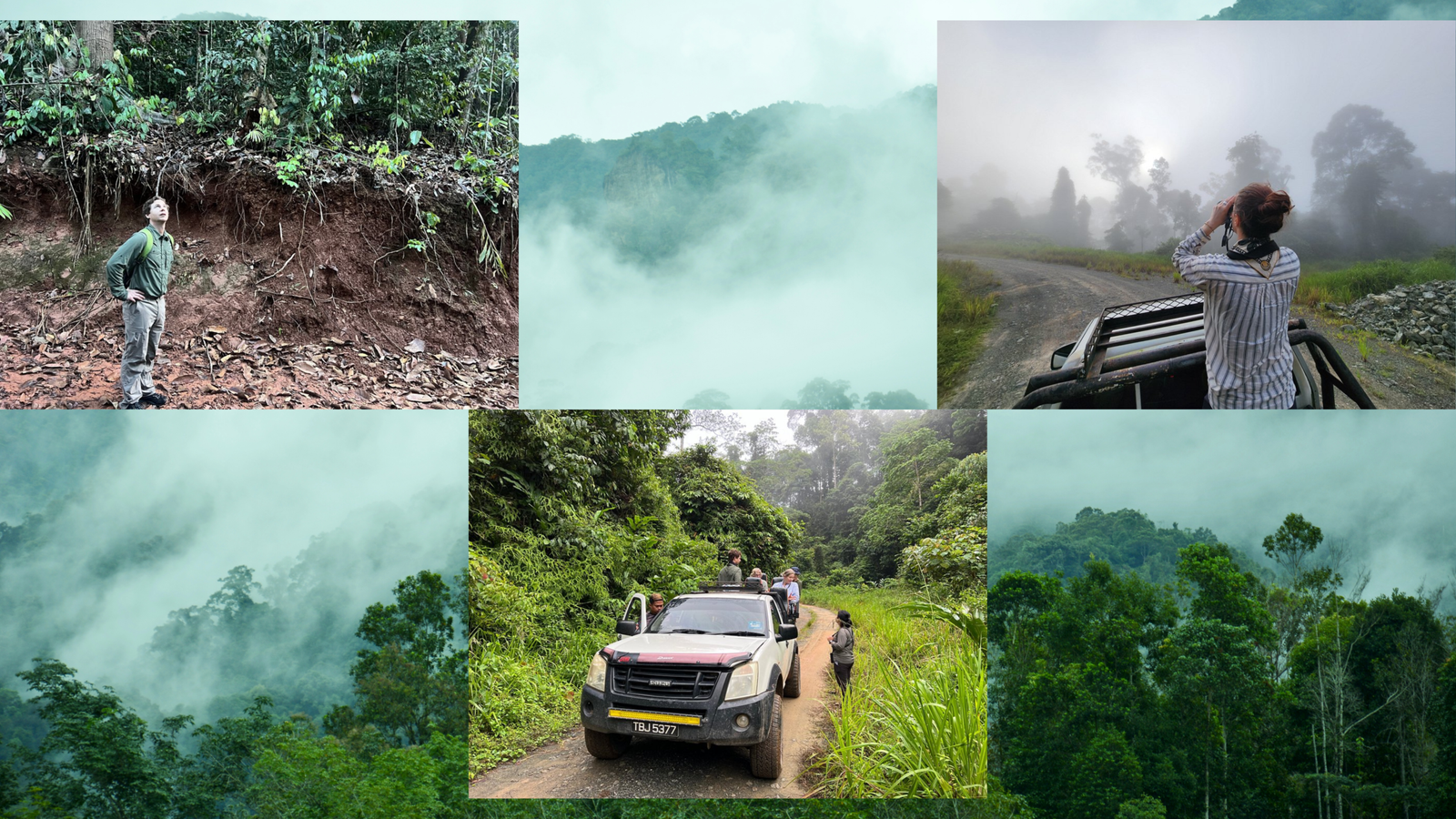
Because of its remote location, Deramakot remains relatively untouched by urban development. The surrounding landscape consists of dense forest, rivers, and rolling terrain, creating ideal habitats for a wide range of wildlife species. Most travellers access the area via Sandakan, which serves as the main gateway to eastern Sabah’s wildlife destinations.
Renting a Car in Sabah
Renting a car offers flexibility, especially for travellers.
Benefits include:
Freedom to explore at your own pace
Easy access from Sandakan
Affordable travel compared to tours
Travel Tip: Always book your car rental early during peak seasons.
Note: Car rental services are available in Kota Kinabalu and Sandakan as main pick-up points.
What Makes Deramakot Forest Reserve Special
Deramakot Forest Reserve stands out because it proves that conservation and sustainable forest use can coexist. Instead of clear-cutting or uncontrolled logging, the reserve follows strict sustainable forestry principles.
International Recognition for Sustainable Forestry
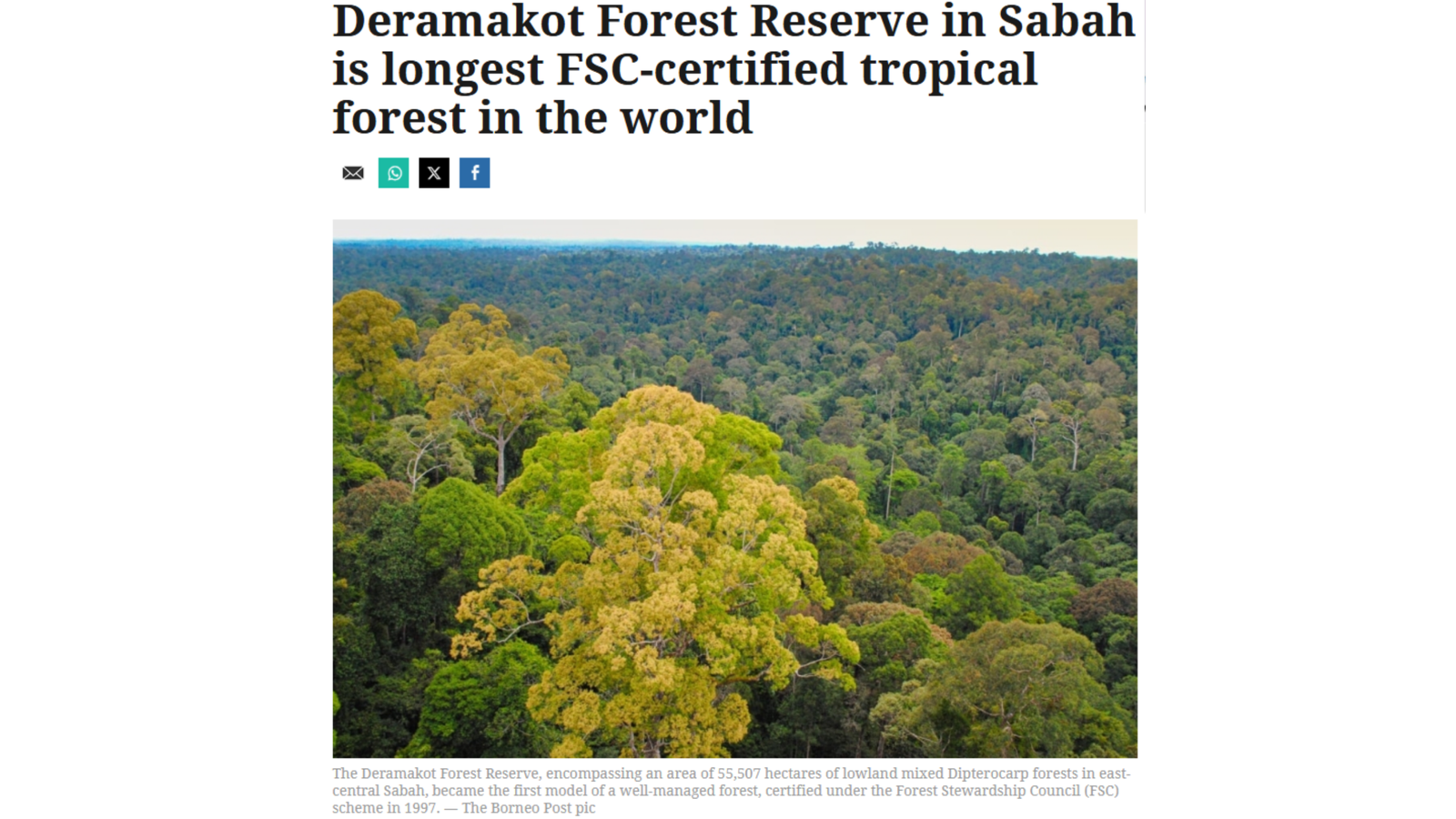
Deramakot became the first natural tropical rainforest in Southeast Asia to receive international certification for sustainable forest management. This achievement highlights Sabah’s long-term commitment to balancing economic needs with environmental protection. Through careful planning, selective logging, and continuous monitoring, the forest remains healthy while supporting conservation research and local employment.
A Stronghold for Borneo Wildlife
One of the main reasons is, they attract global attention is its extraordinary wildlife diversity.
Mammals Found in Deramakot Forest Reserve
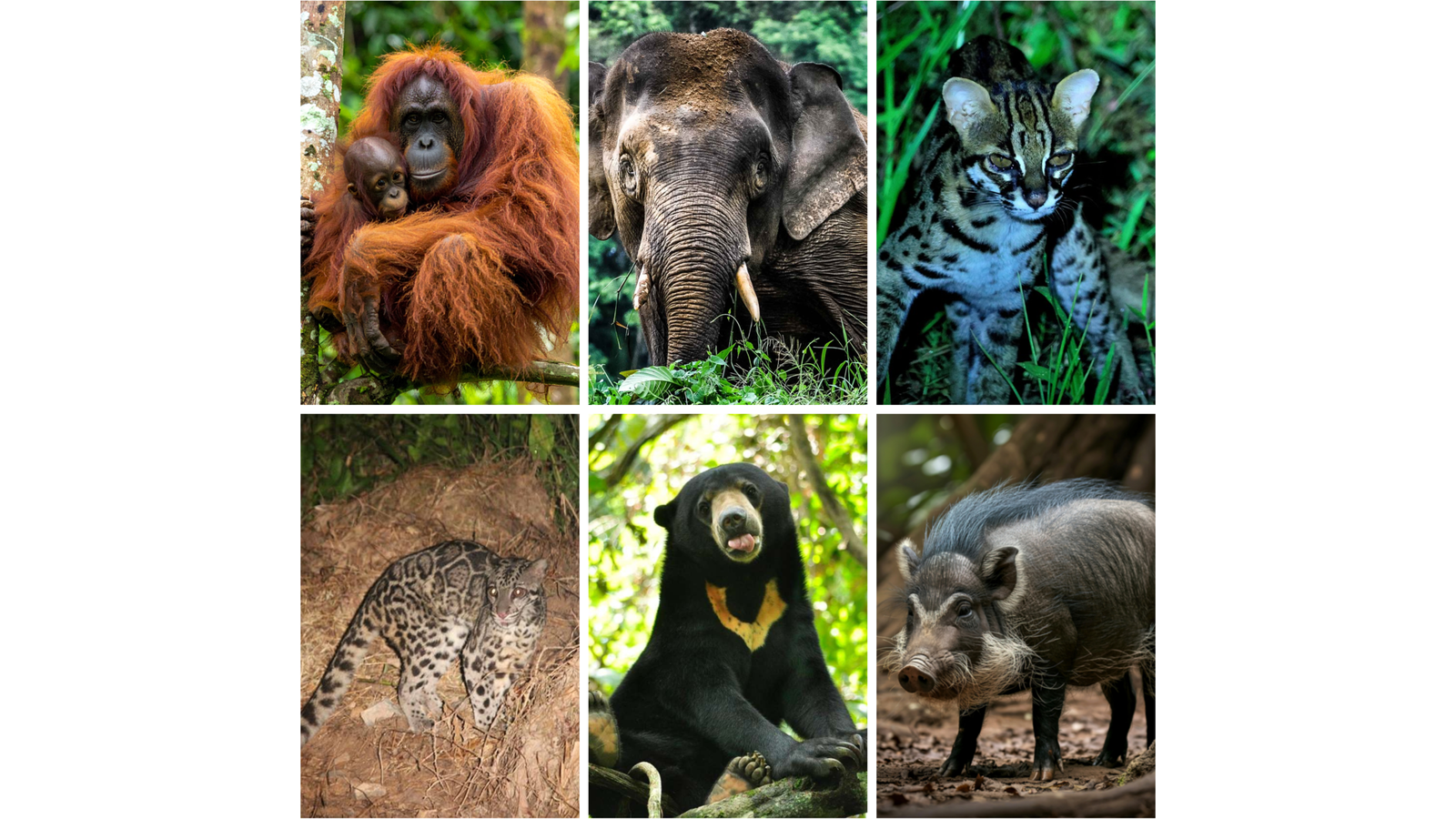
The reserve provides habitat for many of Borneo’s iconic species, including:
- Orangutans
- Bornean pygmy elephants
- Clouded leopards
- Sun bears
- Marbled cats
- Bearded pigs
Because of strict protection measures, animal populations remain stable compared to many other forested areas in the region.
Birdlife and Smaller Species
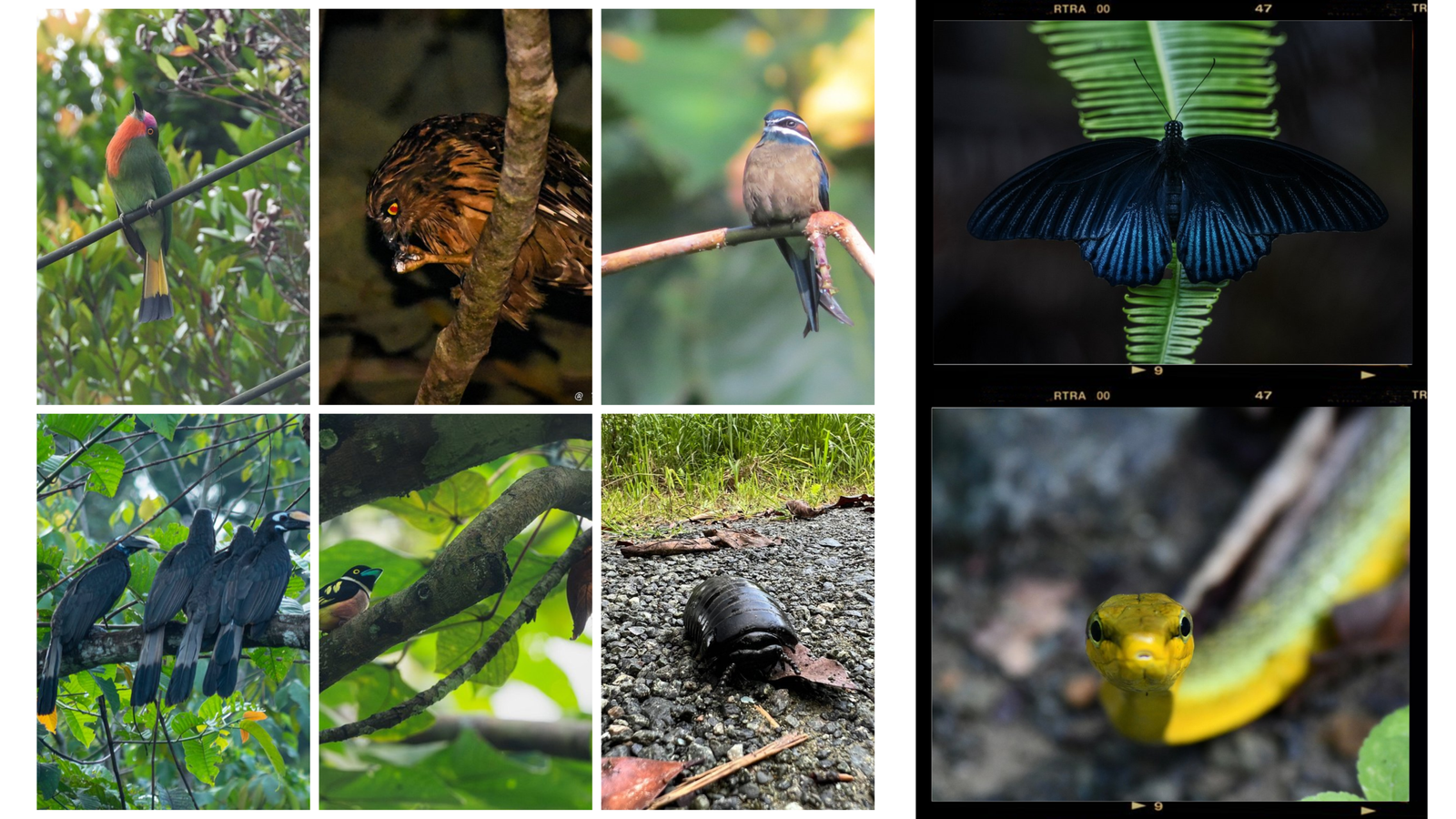
In addition to large mammals, Deramakot supports a rich variety of bird species, reptiles, and insects. Hornbills, kingfishers, and other forest birds thrive in the reserve’s undisturbed canopy.
These smaller species play a crucial role in maintaining the forest ecosystem, making Deramakot biologically complete and resilient.
Conservation and Research at Deramakot Forest Reserve
Deramakot Forest Reserve functions not only as a protected area but also as a living laboratory for conservation research.
Long-Term Wildlife Monitoring
Researchers continuously monitor animal populations using camera traps and field surveys. This data helps conservationists understand animal behaviour, population trends, and habitat needs.
Forest Management and Regeneration
Sustainable forestry practices ensure that logged areas regenerate naturally. Trees are harvested selectively, allowing younger growth to thrive and maintaining forest structure. As a result, Deramakot demonstrates that responsible forest management can protect biodiversity while supporting economic activities.
Can Tourists Visit Deramakot Forest Reserve?
Unlike national parks designed for tourism, Deramakot Forest Reserve is not a mainstream tourist destination. Access remains limited and controlled to protect wildlife and ongoing research activities.
Limited Access and Special Arrangements
Visitors usually require:
- Special permits
- Prior approval from authorities
- Participation in research or conservation programs
Because of these restrictions, casual tourism is discouraged. This approach helps preserve the forest’s ecological balance and minimizes human impact.
Why Deramakot Is Not a Typical Tourist Attraction
Some travellers expect boardwalks, visitor centers, or guided safari tours. However, Deramakot Forest Reserve operates differently.
Conservation First, Tourism Second
The primary goal of Deramakot is conservation, not tourism revenue. Therefore, infrastructure remains minimal, and visitor numbers stay low.
This model ensures:
- Reduced disturbance to wildlife
- Long-term ecological stability
- High research value
Although this limits accessibility, it protects the forest’s integrity.
Comparing Deramakot to Other Wildlife Areas in Sabah
Sabah offers several well-known wildlife destinations, such as the Kinabatangan River and Sepilok. While these places welcome tourists, Deramakot plays a different role.
You can check CLL Adventure to look the tour packages that provided for people to do a tour.
Deramakot vs Kinabatangan
Kinabatangan focuses on eco-tourism, offering river cruises and lodges. Deramakot, on the other hand, prioritises conservation research and sustainable forestry. Both areas are important, but Deramakot represents the backbone of Sabah’s forest conservation strategy.
Importance of Deramakot Forest Reserve for Sabah
Deramakot Forest Reserve plays a crucial role in Sabah’s environmental future.
Protecting Large Forest Landscapes
Large, connected forests allow animals to migrate, breed, and adapt to environmental changes. Deramakot helps maintain these connections across eastern Sabah.
Climate Regulation and Carbon Storage
As a vast rainforest, Deramakot stores significant amounts of carbon and helps regulate local and global climate systems. Protecting such forests contributes directly to climate change mitigation.
Responsible Travel and Awareness
Even though most travellers cannot visit Deramakot directly, awareness still matters.
Supporting Conservation Through Responsible Choices
Travellers can support conservation by:
- Visiting eco-certified lodges elsewhere in Sabah
- Supporting wildlife protection organisations
- Choosing responsible tour operators
These actions indirectly contribute to the protection of forests like Deramakot.
How to Reach the Area Around Deramakot Forest Reserve
While direct visits are restricted, travellers often explore nearby regions such as Sandakan.
Access via Sandakan
Sandakan Airport connects with major Malaysian cities. From there, roads lead towards forested areas and conservation zones.
Educational Value of Deramakot Forest Reserve
Deramakot serves as an example for forest management worldwide.
A Model for Sustainable Forestry
Governments, researchers, and conservationists from other countries study Deramakot’s management system. The reserve proves that tropical forests can be used responsibly without losing biodiversity.
Inspiring Future Conservation Efforts
By protecting Deramakot today, Sabah sets an example for future generations. Education and awareness ensure that conservation remains a priority.
Challenges Facing Deramakot Forest Reserve
Despite its success, Deramakot still faces challenges.
External Development Pressure
Surrounding land use changes, such as agriculture, can affect forest boundaries. Strong enforcement and long-term planning remain essential.
Climate Change Impacts
Changing rainfall patterns and rising temperatures may affect forest ecosystems. Continuous research helps identify and manage these risks.
Why Deramakot Forest Reserve Matters to the World
Deramakot Forest Reserve is more than a protected area in Sabah. It represents a global conservation success story. By maintaining biodiversity, supporting sustainable forestry, and serving as a research hub, Deramakot contributes to global environmental goals. Few places demonstrate so clearly that forests can be protected while still benefiting people and nature.
Conclusion | Deramakot Forest Reserve as Sabah’s Conservation Legacy
In conclusion, Deramakot Forest Reserve stands as one of Sabah’s most important natural assets. While it remains largely inaccessible to casual tourists, its value lies in long-term conservation, wildlife protection, and sustainable forest management. By preserving this forest, Sabah safeguards biodiversity, supports climate stability, and sets an example for rainforest conservation worldwide. Understanding and respecting places like Deramakot Forest Reserve helps ensure that Borneo’s natural heritage survives for generations to come.


0 Comments