







Tucked away along the eastern coast of Borneo, the Blue Ring Reef Lahad Datu is one of Sabah’s most fascinating underwater discoveries. Known locally as the Blue Ring Hole Sabah, this natural marine formation features crystal-clear waters, vibrant coral ecosystems, and a peaceful atmosphere rarely found in Asia’s popular dive spots. For both seasoned divers and curious travelers, this reef promises an unforgettable experience. Moreover, its untouched state and growing popularity among marine conservationists make it a rising star in Sabah’s eco-tourism scene.
What Makes the Blue Ring Reef in Lahad Datu Special
A Natural Wonder Beneath Darvel Bay at Blue Ring Reef in Lahad Datu
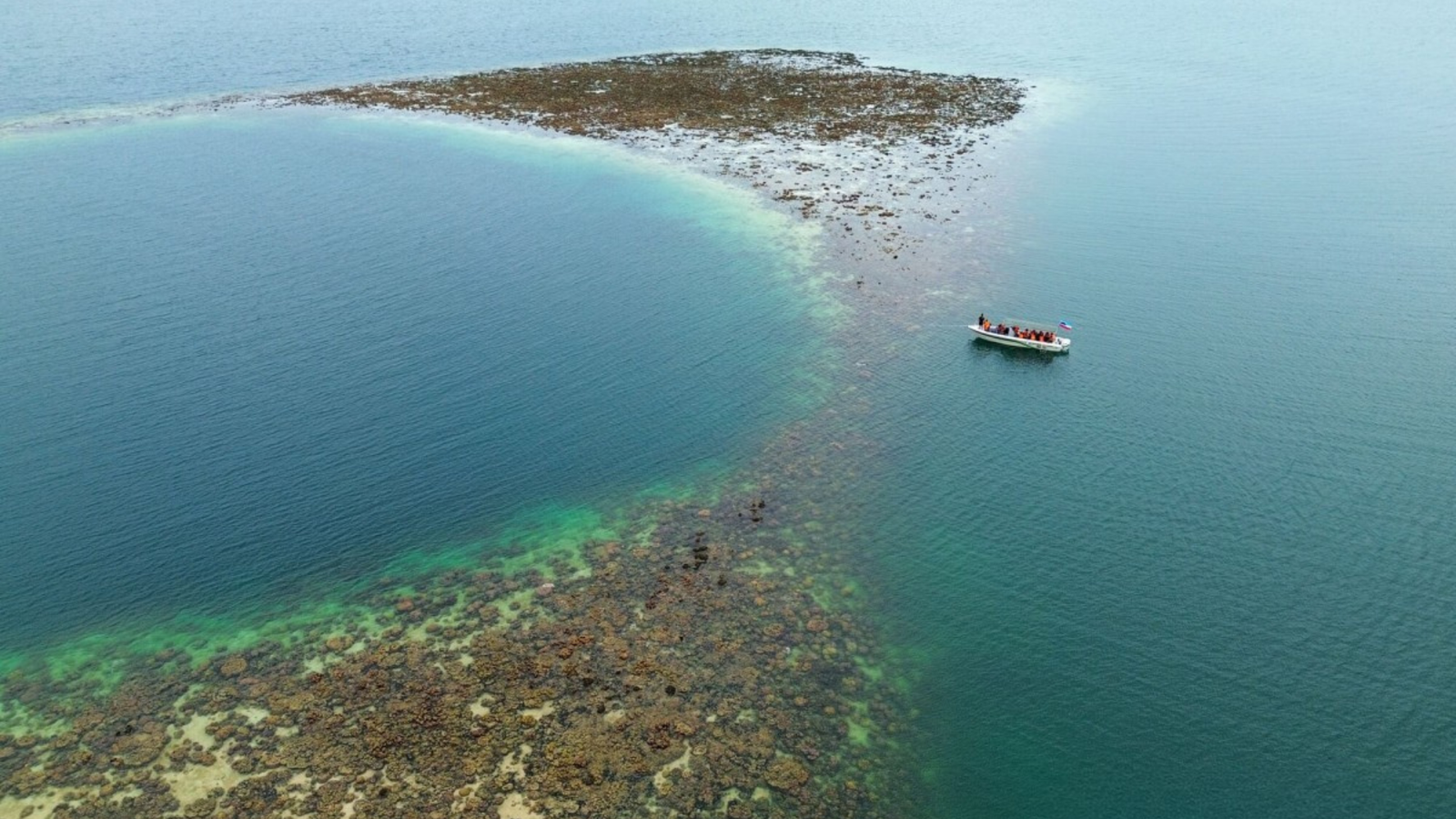
The Blue Ring Reef, located in Darvel Bay, lies approximately 20 kilometers off Lahad Datu town. From above, its turquoise ring encircling a deep-blue center resembles a giant eye in the ocean which brought an image that has captivated divers and photographers worldwide.
The reef’s circular shape is believed to have formed from ancient coral and limestone erosion over thousands of years. Its depth averages around 18 meters, making it suitable for beginner and advanced divers alike.
Getting to the Blue Ring Reef Lahad Datu
Travelers can reach Lahad Datu by air (via MASwings or other carriers) or by road via the Pan Borneo Highway. From a coastal pier near Lahad Datu (Silam/Darvel Bay area), a 30-minute speedboat ride takes visitors to the Blue Ring Hole dive site. The journey treats you to sweeping views of Darvel Bay’s emerald waters and nearby islands where it gives a scenic introduction to Sabah’s coastal beauty.
Why Divers Love the Blue Ring Reef Lahad Datu
A Peaceful Alternative to Busy Dive Spots
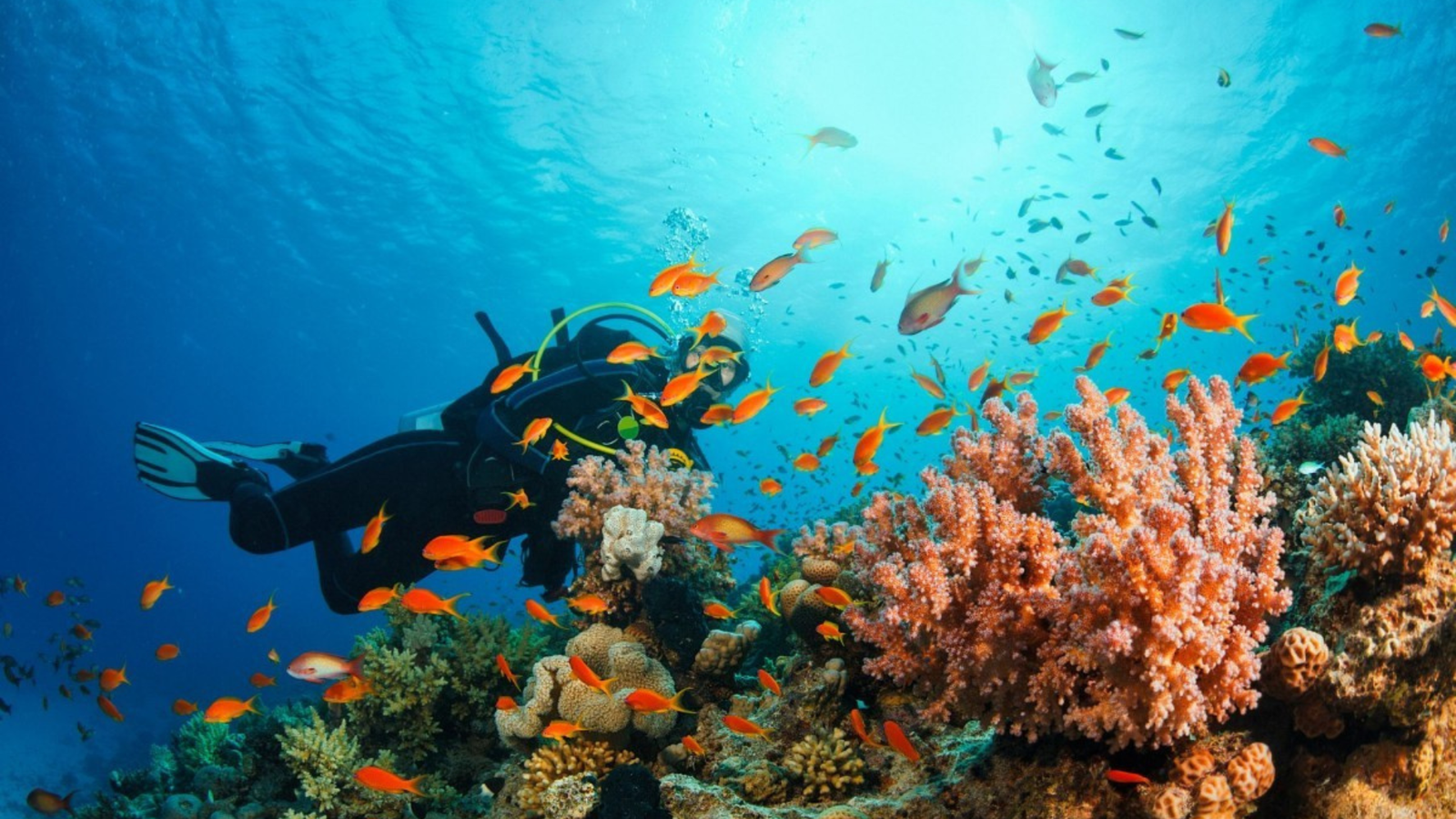
Unlike crowded dive destinations such as Sipadan or Mabul, the Blue Ring Reef remains a serene escape. The lack of mass tourism means the coral structures here are still in excellent condition. In addition, the silence underwater enhances the sense of connection between diver and reef that wanted an experience that feels deeply personal.
Blue Ring Reef Lahad Datu Ideal for All Diving Levels
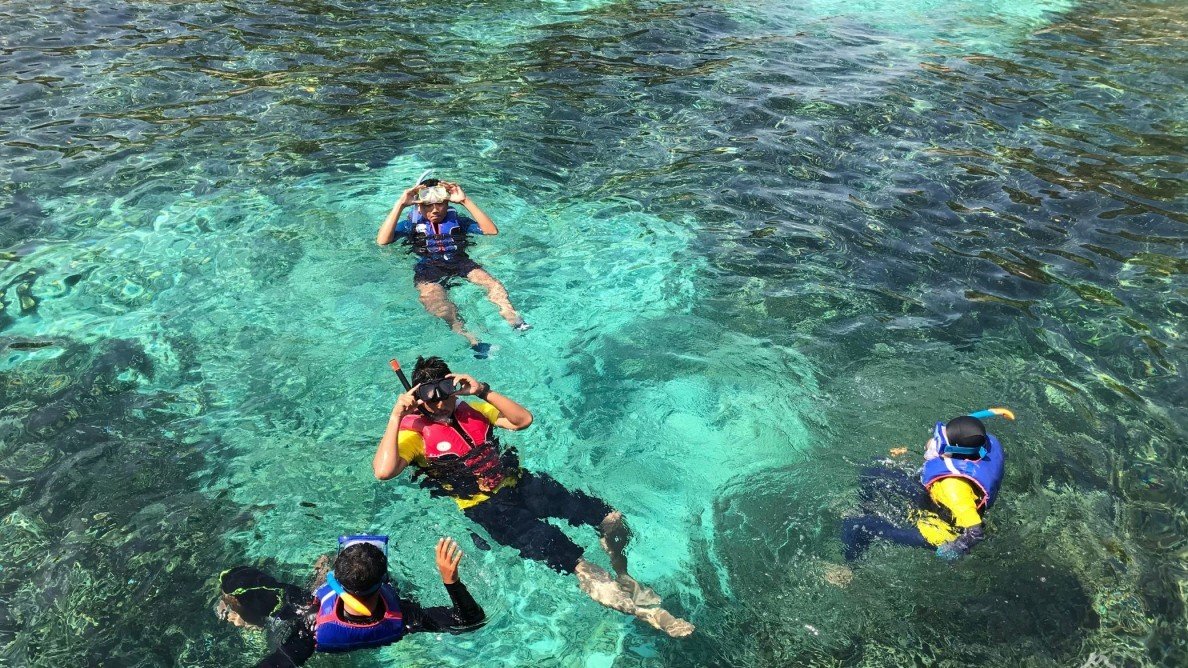
Located at Tingkayu Reef in Darvel Bay, about 20–25 km from Lahad Datu, the Blue Ring Reef (also known as the Blue Ring Hole) is one of Sabah’s newest and most captivating marine discoveries. Travelers can reach it via a 30-minute boat ride from Lahad Datu Jetty, enjoying panoramic views of Darvel Bay’s emerald waters and nearby islands along the way.
With depths of around 20–25 meters, the Blue Ring Reef is suitable for both beginner and intermediate divers. The currents are generally mild, allowing for calm underwater exploration, while snorkelers can also enjoy the shallower coral gardens under guide supervision.
Though visibility varies with weather, the reef’s vibrant soft corals and marine biodiversity make it a must-visit dive and snorkel site in eastern Sabah.
Marine Life at Blue Ring Reef Lahad Datu – A Hidden Sanctuary of Biodiversity
The marine life around the Blue Ring Reef is nothing short of spectacular. Its isolation has allowed a thriving community of sea creatures to flourish.
Coral Ecosystem Highlights at Blue Ring Reef Lahad Datu
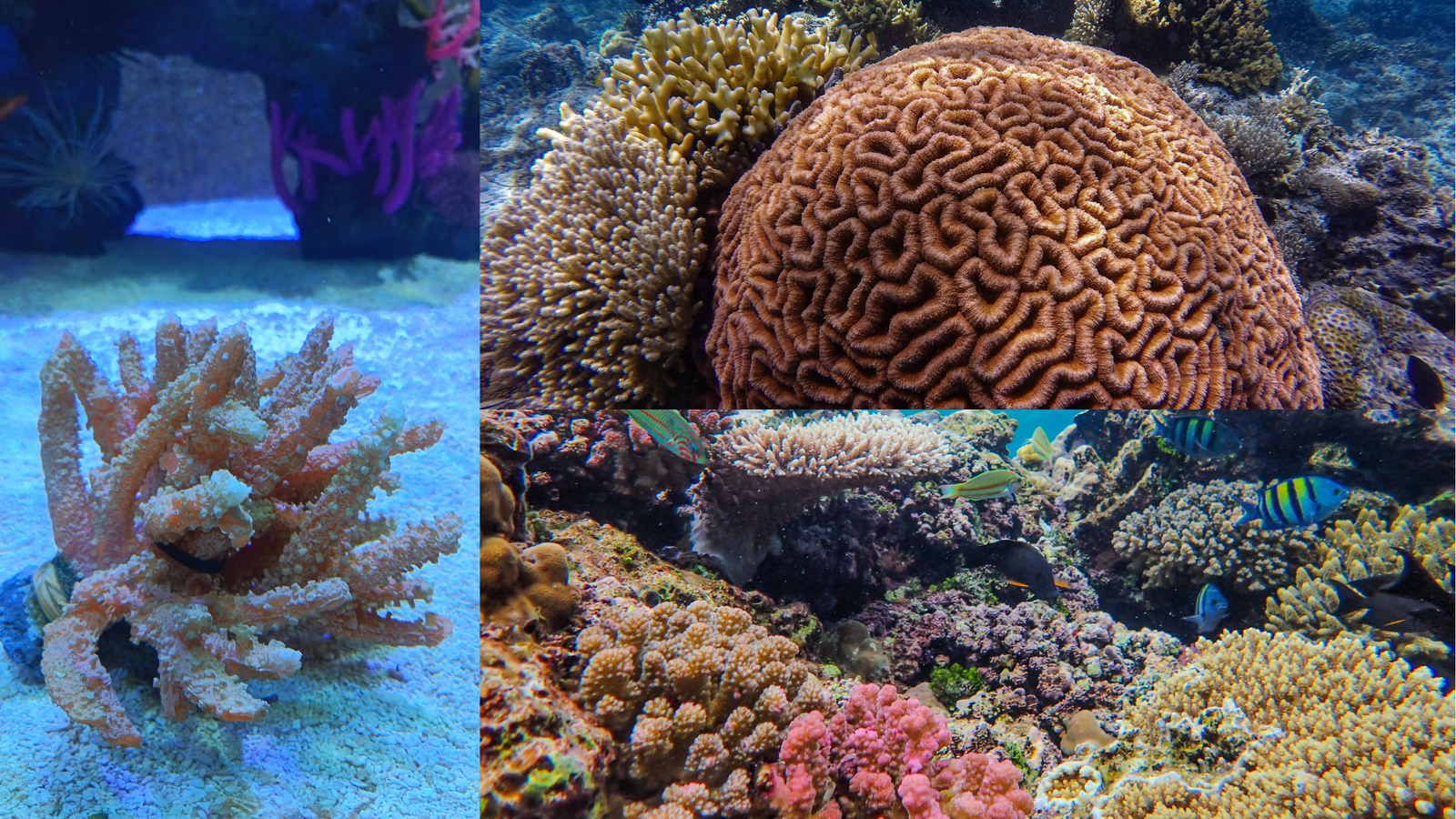
- Staghorn Coral – forming colorful forests across the reef crest.
- Brain Coral – showcasing intricate natural patterns.
- Table Coral & Sea Fans – sheltering schools of tiny reef fish.
- Mushroom Coral – carpeting sandy slopes with vibrant hues.
These coral structures provide protection and food for hundreds of species, sustaining the balance of this delicate ecosystem.
Underwater Wildlife Encounters at Blue Ring Reef Lahad Datu
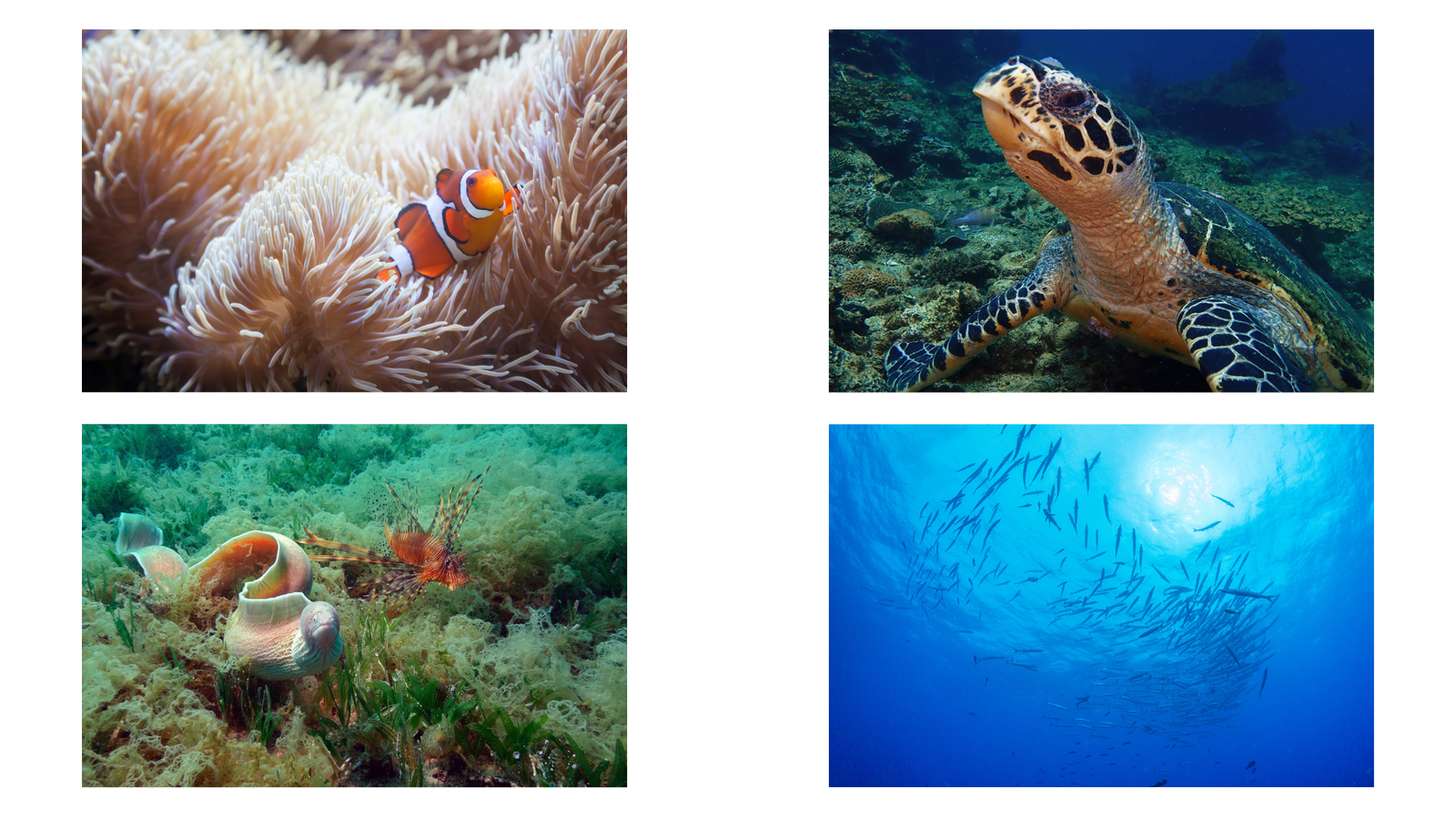
Divers can expect to meet a variety of marine creatures such as:
- Clownfish and Anemones – adding playful bursts of orange.
- Hawksbill and Green Turtles – gracefully gliding through the water.
- Lionfish, Moray Eels, and Butterflyfish – moving elegantly among coral crevices.
- Barracuda Schools and Reef Sharks – for the lucky few who dive early in the morning.
In addition, the site is a paradise for macro photographers, offering sightings of colorful nudibranchs, tiny crabs, and rare shrimp species.
Best Diving Practices and Gear Tips for Exploring the Blue Ring Hole Sabah
Diving Conditions
- Depth: 10–18 meters
- Visibility: 10–20 meters (March to October best months)
- Current: Mild to moderate
Because of its depth, even beginner divers can explore safely under the guidance of a local dive master. However, experienced divers will also find the vertical walls and coral overhangs interesting for exploration.
Essential Gear Checklist
- 3 mm wetsuit (water temperature averages 29 °C)
- Reef-safe sunscreen
- Dive computer & underwater torch
- Surface marker buoy (SMB) for safety
- Waterproof camera or GoPro for photos
Pro Tips for a Safe Dive
- Always maintain neutral buoyancy to protect corals.
- Dive slowly to maximize observation time.
- Stay within sight of your dive guide, especially during current shifts.
- Avoid feeding fish or disturbing marine life.
As a result, practicing responsible diving not only enhances your safety but also helps preserve the fragile marine ecosystem.
Conservation and Eco-Tourism Efforts at the Blue Ring Reef
This reef isn’t just beautiful it’s also a model for community-driven marine conservation in Sabah.
Local Conservation Initiatives
The Sabah Parks Authority and KePKAS (Sabah Ministry of Tourism, Culture, and Environment) have partnered with local dive operators to monitor reef health. Moreover, educational campaigns encourage fishermen to adopt sustainable practices, ensuring that the marine ecosystem remains intact.
How Tourists Can Contribute
Visitors can support conservation in simple yet impactful ways:
- Choose eco-certified dive operators that follow no-anchor policies.
- Bring reusable bottles and avoid plastic waste.
- Participate in reef clean-up dives.
- Respect marine life. You only can look, but don’t touch.
By practicing eco-friendly habits, travelers help ensure that the Blue Ring Hole Sabah remains pristine for generations to come.
Travel Logistics and Accommodation Guide for Lahad Datu Divers
How to Get There
- By Air: MASwings operates daily flights from Kota Kinabalu and Sandakan to Lahad Datu.
- By Road: About 7–8 hours via the Pan Borneo Highway — perfect for self-drive travelers.
- By Boat: 30–40 minutes from Lahad Datu Jetty to Tingkayu Reef.
Transitioning from city to coast is smooth, and the journey itself offers spectacular views of Sabah’s lush landscapes.
If you need a transportation to go there, you may need a car rental where you can find at:
Where to Stay
- Budget: MyInn Hotel, Tabin Lodge Bed & Breakfast.
- Mid-range: Silam Dynasty Hotel or Executive Hotel Lahad Datu.
- Eco Options: Tabin Rainforest Resort and Silam Bay Retreat.
Furthermore, several resorts offer dive packages that include transportation, meals, and guided tours which making it easy for tourists to plan a hassle-free diving trip.
Facilities & Essentials
- ATMs, mini-markets, and pharmacies available in Lahad Datu town.
- Cash is preferred for island and boat operators.
- Book diving permits and transfers in advance, especially during peak months.
Photography Tips for Divers and Snorkelers
For underwater photographers, the Blue Ring Reef offers a visual feast.
Recommended Equipment
- Wide-angle lens for capturing the full ring formation.
- Macro lens for close-ups of nudibranchs or coral textures.
- Dual strobes for balanced lighting below 15 meters.
Best Photography Practices
- Dive between 9 AM and 11 AM for ideal natural light.
- Use sunlight reflection for wide shots instead of artificial light when possible.
- Frame the deep-blue center of the ring with a diver silhouette for dramatic effect.
- Be patient because the best marine shots come from stillness and observation.
Consequently, this reef has become a favorite among underwater photographers who want to capture Sabah’s vibrant marine life in its purest form.
Nearby Attractions Around Lahad Datu and Darvel Bay
After exploring the reef, you can discover several natural attractions nearby:
- Tabin Wildlife Reserve: Home to pygmy elephants and orangutans.
- Mount Silam: Offers panoramic views of Darvel Bay and the islands.
- Tawau Hills Park: Ideal for trekking and hot springs relaxation.
- Darvel Bay Islands: Perfect for island-hopping and snorkeling tours.
These destinations complement your diving adventure, giving you a full Sabah experience that blends ocean and rainforest.
Frequently Asked Questions About Diving in Lahad Datu
Q: Is the Blue Ring Reef beginner-friendly?
A: Yes. Its shallow depth and mild currents make it ideal for new divers and snorkelers.
Q: What’s the best time to visit?
A: March to October provides calm seas and excellent visibility.
Q: How safe is Lahad Datu for tourists?
A: The town and surrounding areas are secure for travelers. Always use licensed operators for peace of mind.
Q: Can non-divers enjoy the reef?
A: Absolutely. Snorkeling tours allow visitors to appreciate the coral and marine life from the surface.
Q: Are there dive shops nearby?
A: Yes, several local operators in Lahad Datu provide equipment rental and guided tours.
Conclusion | Experience the Magic of Blue Ring Reef Lahad Datu
Ultimately, the Blue Ring Reef Lahad Datu stands as one of Sabah’s most remarkable natural wonders. Its tranquil beauty, teeming marine life, and strong conservation efforts make it more than just a diving destination it’s a journey into an unspoiled part of Borneo’s blue heart.
Whether you’re a diver, snorkeler, or nature enthusiast, exploring this reef connects you with the ocean in the most meaningful way.
Plan your visit today, dive responsibly, and experience why this Lahad Datu blue hole is fast becoming a must-visit eco-adventure in Sabah.



0 Comments