







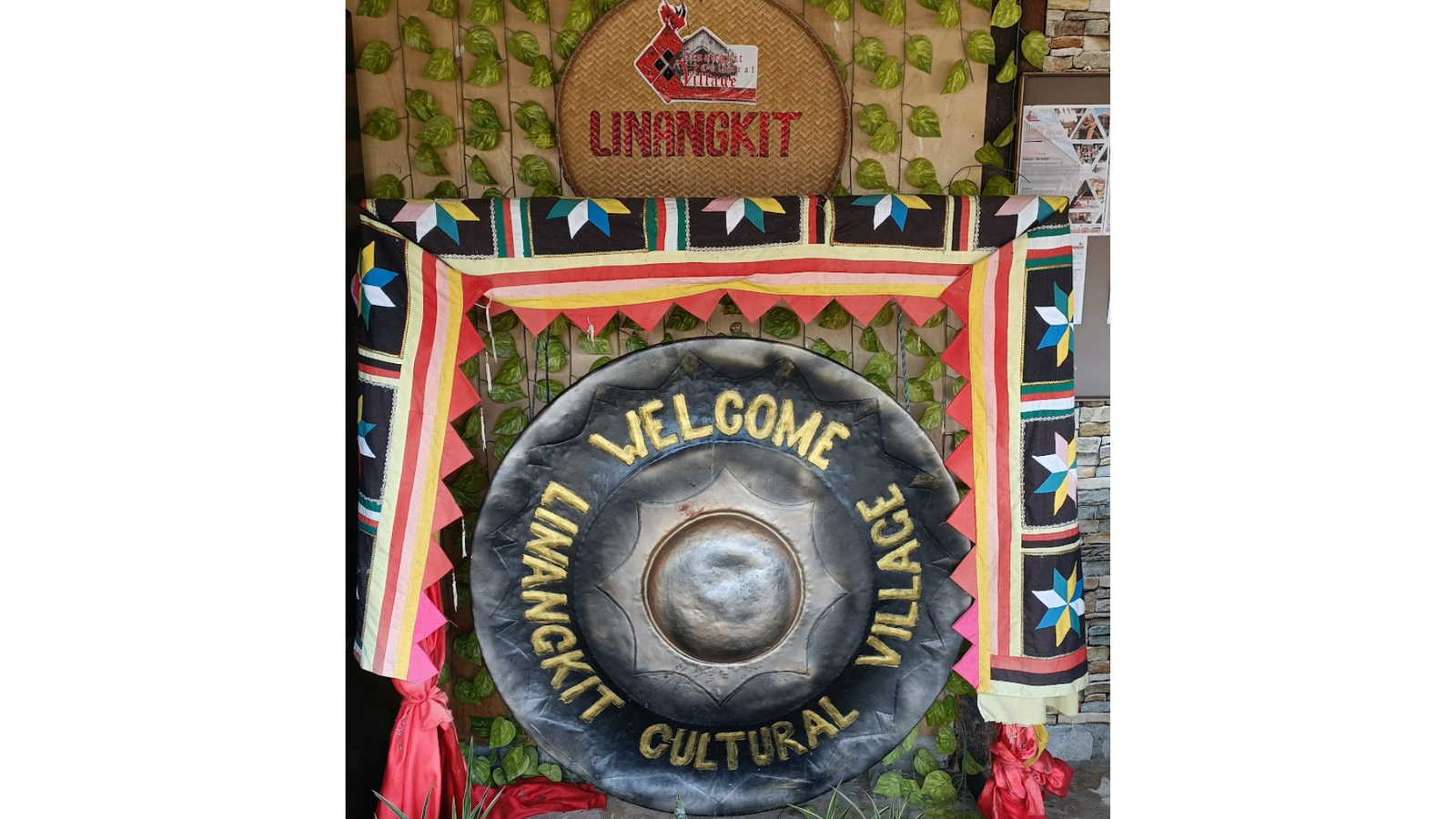
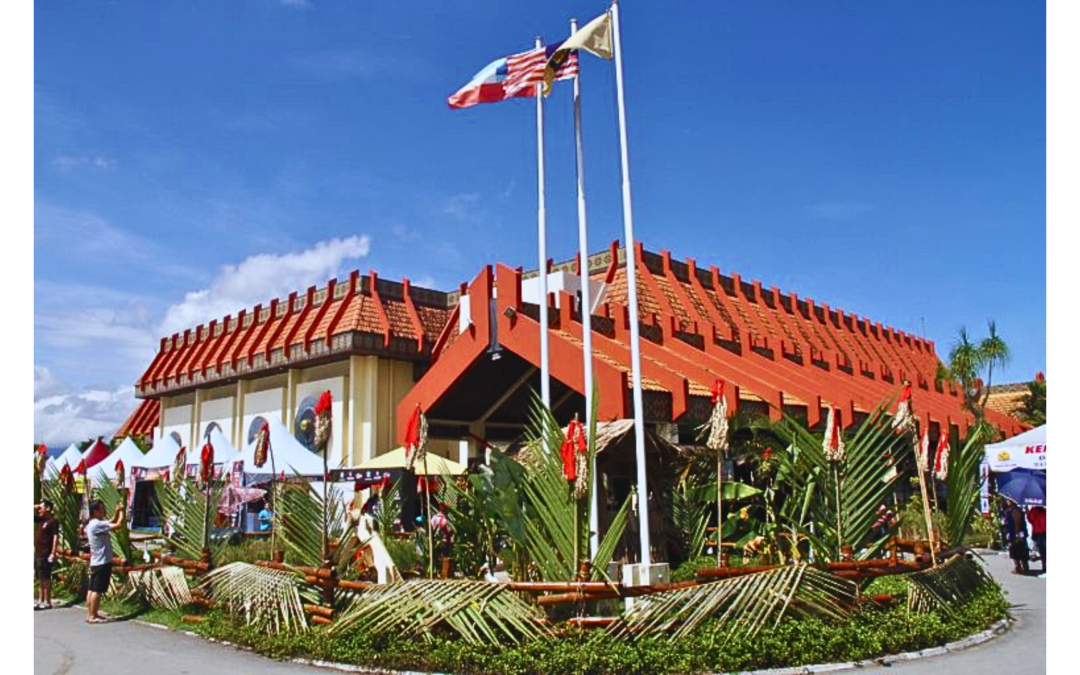
The Linangkit Cultural Village is one of Sabah’s most meaningful cultural attractions, especially for travelers who want to understand the rich heritage of the Lotud people. Located in Tuaran, this living museum preserves traditions, stories, rituals, food, and handcrafted textiles unique to the local community. As tourism in Sabah continues to grow, visitors increasingly seek authentic cultural experiences. Because of this, Linangkit Cultural Village has become an essential stop for both international tourists and Malaysians exploring heritage-based tourism.
The village is named after the traditional Lotud embroidery called linangkit an intricate, colorful design stitched using the “gulung” technique. This art form has been passed down for generations and is considered one of Sabah’s most treasured intangible cultural heritages. Therefore, the cultural village serves as both a tourism destination and a preservation initiative, ensuring that the skills, stories, and identity of the Lotud people remain alive.
What Makes Linangkit Cultural Village Special?
Although Sabah has several cultural attractions, Linangkit Cultural Village stands out because it focuses entirely on the Lotud community which a sub-ethnic group of the Dusun tribe.
Preservation of Lotud Heritage

The Lotud culture is rich, intricate, and deeply rooted in ancestral practices. Because modernization has influenced many indigenous traditions, this village plays a vital role in safeguarding:
- Traditional Lotud costumes
- Linangkit embroidery
- Rituals and ceremonies
- Music and dance
- Farming practices
- Storytelling traditions
- Handicrafts and weaving
Visitors not only observe but also participate, making the experience more engaging.
Hands-On Cultural Activities at Linangkit Cultural Village
Unlike regular museums, Linangkit Cultural Village offers interactive activities. This means guests can try weaving, cooking, dancing, and even joining traditional ceremonies. As a result, the visit becomes memorable and educational.
Friendly and Knowledgeable Lotud Hosts
The cultural guides are members of the local community. They share stories and teachings passed down from their elders. Because of this personal approach, visitors gain a deeper appreciation of the culture.
Where Is Linangkit Cultural Village Located?
The village is located in Kampung Selupoh, Tuaran, approximately 45 minutes from Kota Kinabalu. It sits near rivers, paddy fields, and traditional homes, providing a peaceful rural atmosphere.
Travel Time From Major Areas
| Location | Approx. Travel Time |
|---|---|
| Kota Kinabalu | 45–50 minutes |
| Tuaran Town | 10–15 minutes |
| Kiulu | 20–25 minutes |
| Tamparuli | 20–30 minutes |
| Kundasang | 1 hour 15–30 minutes |
Because the road access is good, visitors can easily reach the village by car.
Entrance Fee to Linangkit Cultural Village
Fees may vary depending on the package selected. Cultural villages often offer guided experiences, performances, and meals.
Estimated Entrance Rates (Subject to Change)
| Visitor Type | Estimated Fee |
|---|---|
| Malaysian Adult | RM30–RM50 |
| Malaysian Child | RM15–RM25 |
| International Adult | RM50–RM70 |
| International Child | RM25–RM40 |
| Full Package with Meal | RM80–RM120 |
Because packages can include workshops, performances, and meals, prices differ based on what visitors choose.
Operating Hours of Linangkit Cultural Village
- Monday–Sunday: 9:00 AM – 5:00 PM
- Best Visit Time: Morning (better lighting and less crowd)
Because cultural activities require staff availability, pre-booking is recommended.
History of the Linangkit Cultural Village
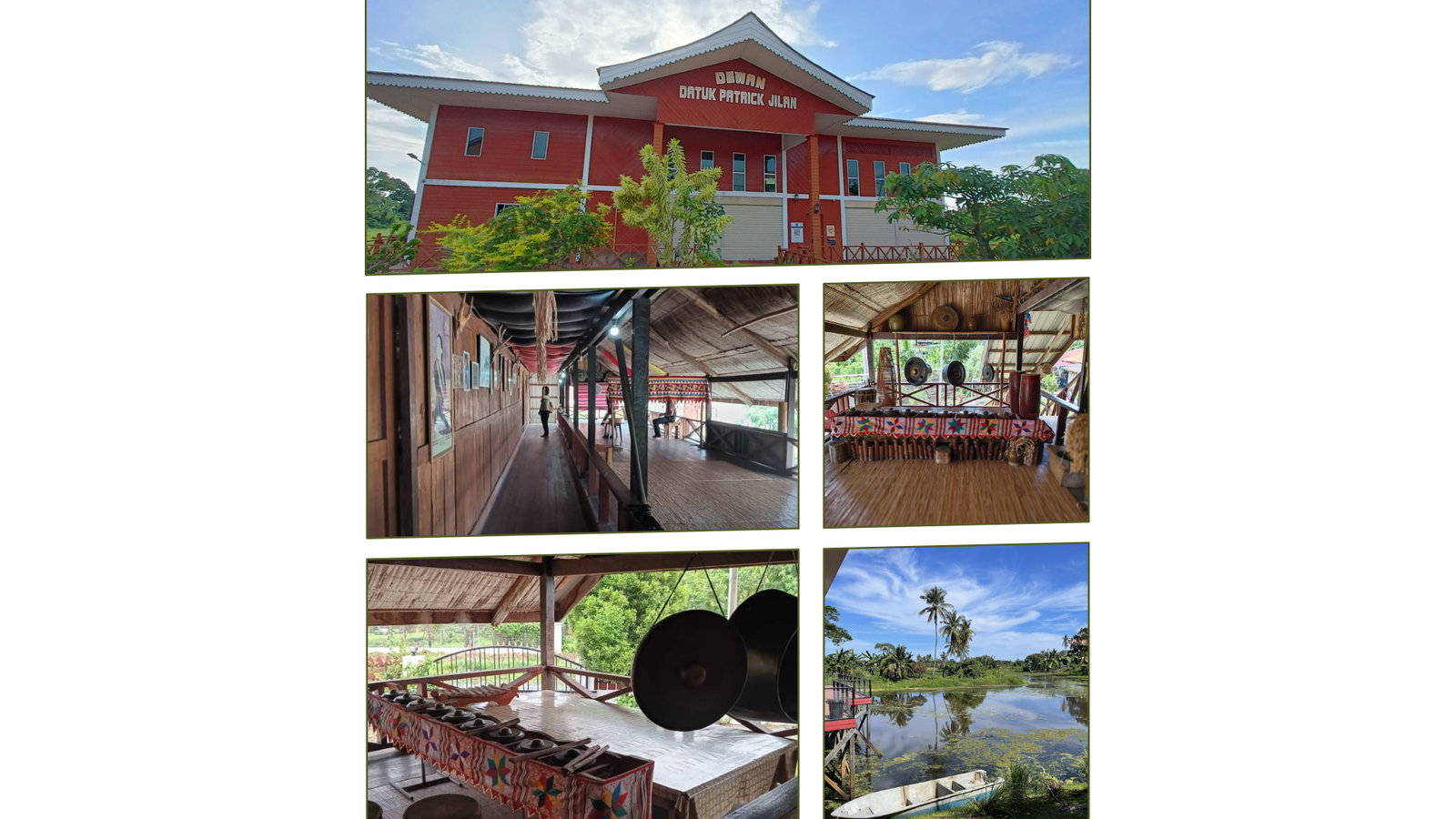
The village was established by Lotud community leaders with the purpose of preserving cultural identity. As the world modernized, the traditional linangkit embroidery and rituals were slowly fading. Therefore, the community created a cultural space where visitors could learn and appreciate Lotud heritage while ensuring that younger generations continue practicing their traditions. The founders envisioned a living museum rather than a static one. This means guests witness culture as it is lived through storytelling, food, dance, and community activities.
What Is Linangkit Embroidery?
The term linangkit refers to a traditional Lotud embroidery made using the “gulung” stitching method. This form of needlework is beautifully designed, colorful, symmetrical, and filled with symbolic motifs.
Symbolic Meaning of Linangkit Designs
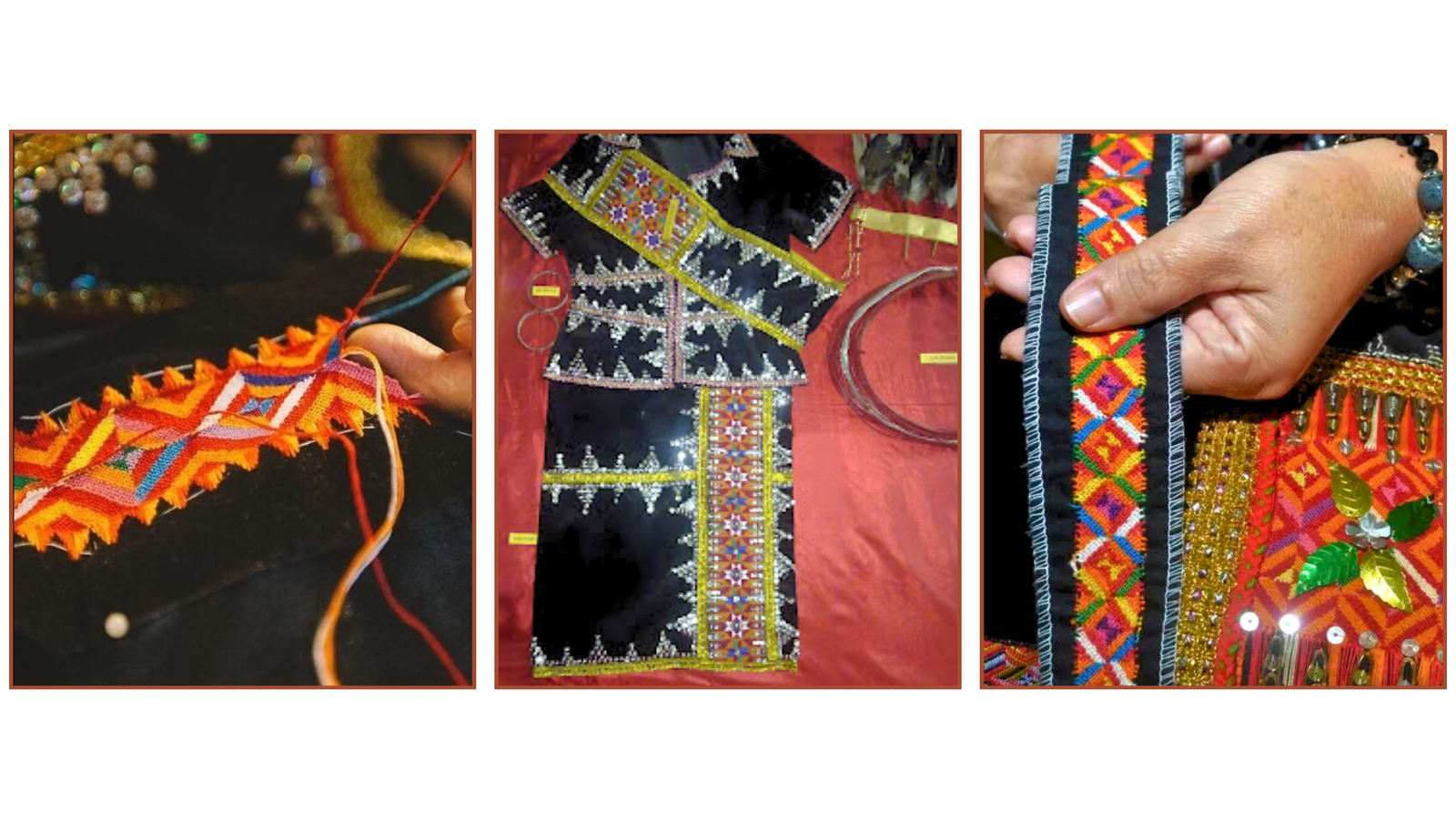
- Red: Courage and vitality
- Yellow: Prosperity and blessings
- Black: Strength and unity
- Patterns: Represent flora, fauna, and cosmic beliefs
Because linangkit patterns carry such cultural depth, each piece is considered an artwork rather than simple clothing decoration.
Why Linangkit Is Culturally Important
- It reflects Lotud identity
- Designs document local beliefs
- It is an essential part of traditional costumes
- It is used in rituals and ceremonies
- The skill is passed down through generations
Visitors can witness weavers working on linangkit pieces, making the experience more meaningful.
Experiences at Linangkit Cultural Village
The village offers multiple cultural activities to help visitors appreciate Lotud traditions.
Guided Cultural Tour
The tour introduces visitors to the history, beliefs, and traditional practices of the Lotud people. Since guides are locals, their stories often include personal memories and ancestral knowledge.
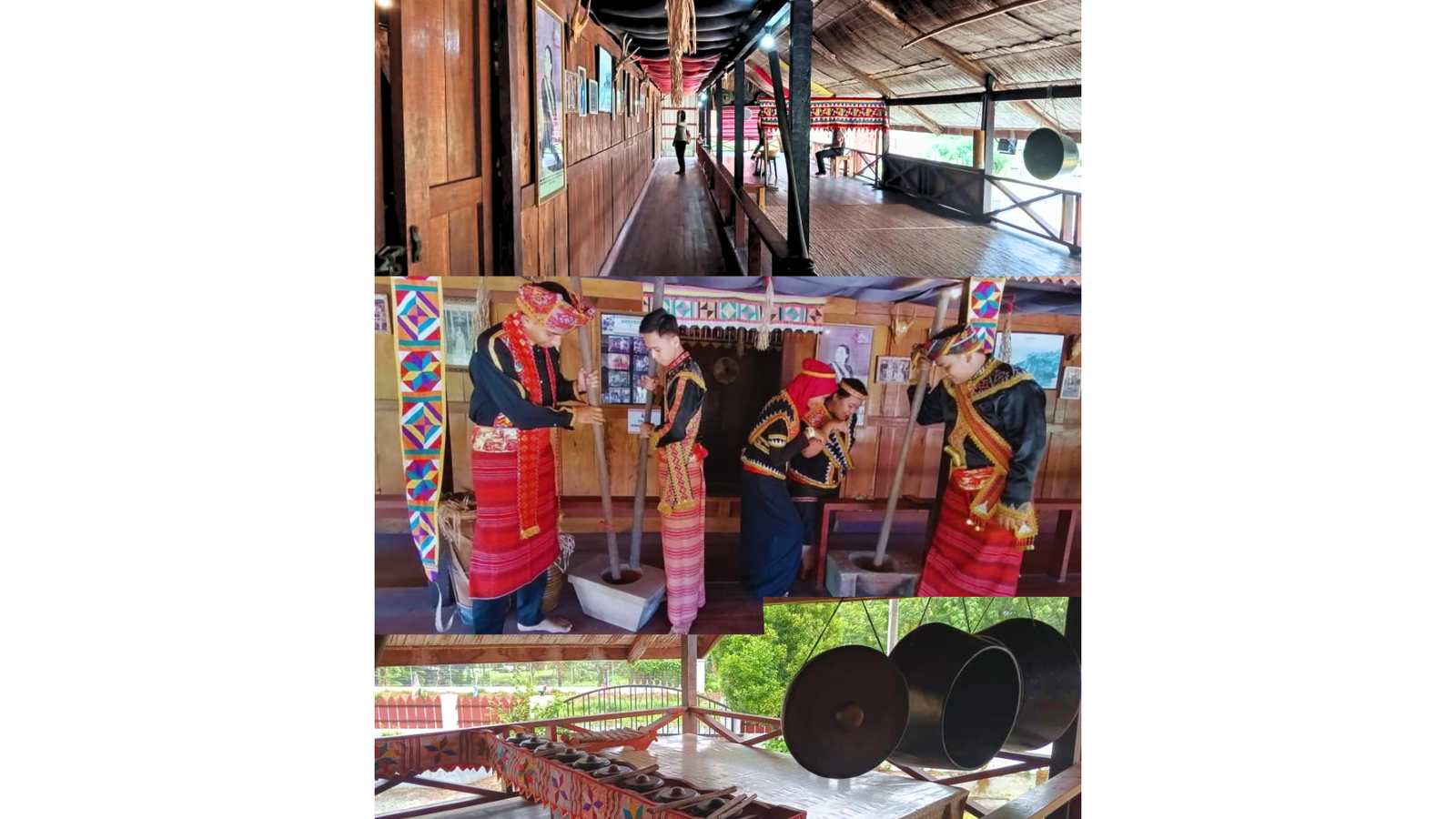
Traditional Lotud House Visit
Visitors explore the architecture and layout of the traditional house, which includes:
- Cooking area
- Sleeping quarters
- Storage rooms
- Ritual spaces
Because the Lotud home plays an important cultural role, guides explain how social life and rituals are conducted.
Linangkit Weaving Workshop
Guests can try creating simple linangkit patterns using:
- Traditional threads
- Wooden weaving tools
- Original Lotud weaving methods
Although the skill takes years to master, trying it is an unforgettable experience.
Traditional Food Tasting
Lotud cuisine is flavorful, refreshing, and often based on fermentation or natural ingredients.
Typical foods include:
- Hinava (marinated raw fish)
- Tuhau (wild ginger)
- Noonsom bambangan (fermented mango)
- Linopot (rice wrapped in leaves)
- Herbal drinks
Because the dishes are unique to Sabah, tasting them is a highlight for visitors.
Cultural Performances at Linangkit Cultural Village
Performances often include:
- Lotud dances
- Traditional music using bamboo instruments
- Ritual demonstrations
- Storytelling sessions
Each performance carries spiritual meaning and reflects community life.
Traditional Games
Visitors can join fun cultural games such as:
- Bamboo jumping
- Traditional slingshot
- Coconut bowling
These games represent the creativity of rural life.
Hands-On Activities
Depending on the package, guests may participate in:
- Fire-making
- Rice pounding
- Bamboo cooking
- Craft-making
Because these activities require teamwork, they are popular among group travelers.
Dress, Rituals & Ceremonies at Linangkit Cultural Village
Traditional Lotud Costume Shows at Linangkit Cultural Village
The Lotud traditional dress is known for:
- Black fabric base
- Bright linangkit embroidery
- Brass rings and beads
- Waist belts and shoulder adornments
Because linangkit embroidery is handmade, each costume is unique.
Cultural Rituals
Visitors may witness rituals performed for:
- Harvest celebrations
- Healing ceremonies
- Ancestral offerings
- Marriage traditions
Each ritual is carried out respectfully and explained by guides to ensure visitors understand its significance.
Why You Should Visit Linangkit Cultural Village
Travelers visit the cultural village for many reasons, especially because it offers a unique blend of learning and participation.
1. Deep Cultural Immersion
Instead of watching culture from afar, visitors join activities and interact with locals directly.
2. Support Community-Based Tourism
All proceeds support the Lotud community, helping sustain their traditions.
3. Authentic Sabah Heritage
The Lotud culture is not widely showcased elsewhere, making this village an exclusive experience.
4. Perfect for Families & Educational Trips
Children and students learn about indigenous culture through fun hands-on activities.
5. Unique Photo Opportunities
Colorful costumes, bamboo houses, and traditional weaving offer picturesque backgrounds.
6. Linangkit Cultural Village Has a Convenient Location
Close to Tuaran and Kota Kinabalu, making it ideal for half-day tours.
Tips for Visiting Linangkit Cultural Village
- Book your visit at least one day in advance
- Wear comfortable attire
- Bring camera or phone
- Respect cultural practices and rituals
- Try all hands-on activities
- Support local artisans by purchasing crafts
- Be respectful when photographing locals
Rent Car from Sabah Car Rental
- Flexibility – No need to rely on fixed tour schedules.
- Convenience – Perfect for families, groups, and adventurous travelers.
- Day Trips Made Easy – Drive directly to Kundasang, and Ranau
- Affordable – Sabar Car Rental prices are reasonable compared to other destinations in Malaysia.
Travel Tip: Always book your car rental in advance during peak holiday seasons to avoid last-minute price hikes.
Note: Sabah Car Rental are available at Kota Kinabalu and Sandakan where it was the pick-up point of the car.
Nearby Attractions to Combine with Your Visit
Tuaran Crocodile Farm
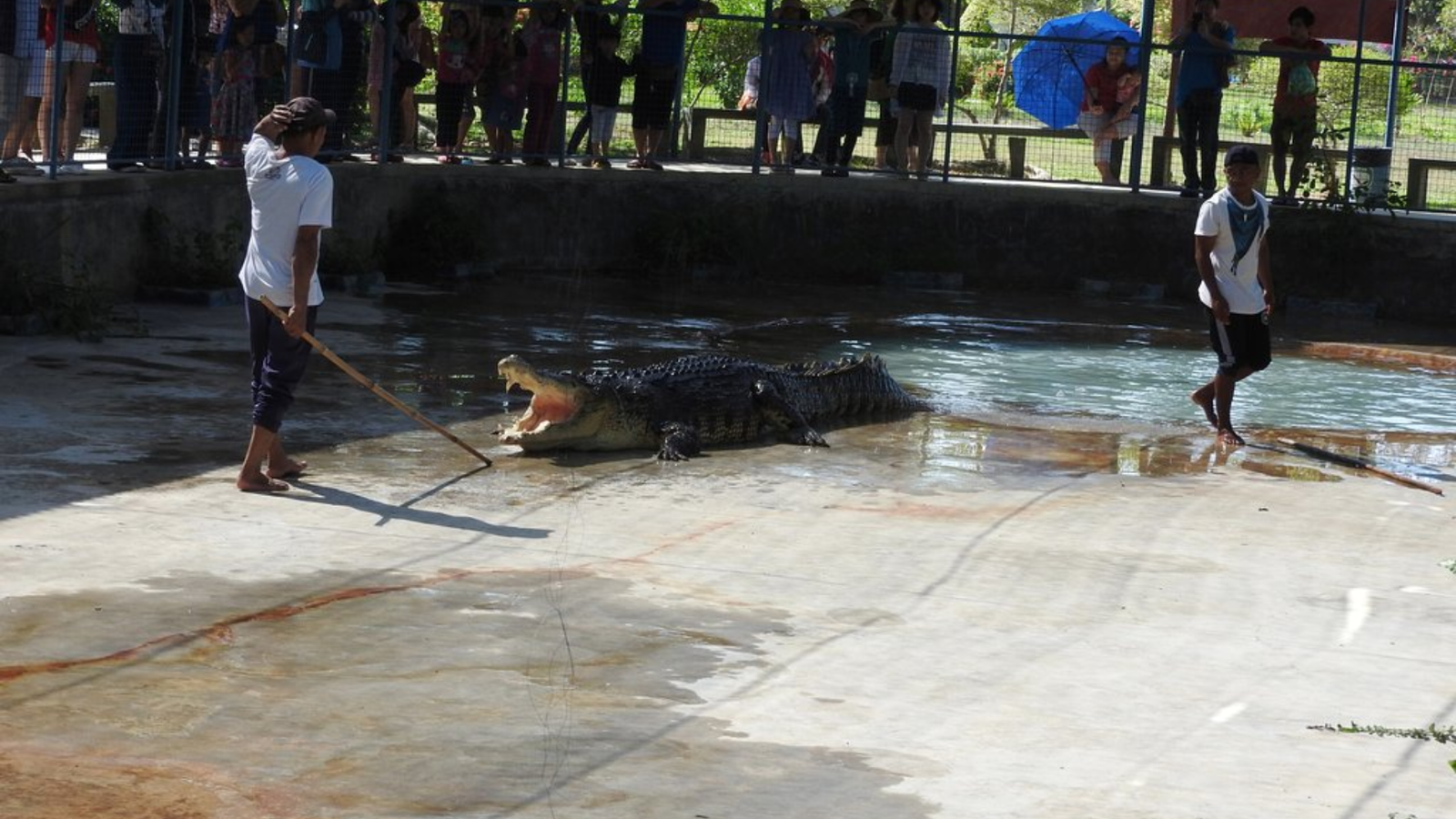
Great for wildlife lovers.
Sabandar Beach & Sabandar Cowboy Town
A scenic coastal area and western-themed park.
Shangri-La Rasa Ria Nature Reserve
Ideal for sunset views and wildlife activities.
Rumah Terbalik Tamparuli

Famous upside-down house for families.
Kiulu River
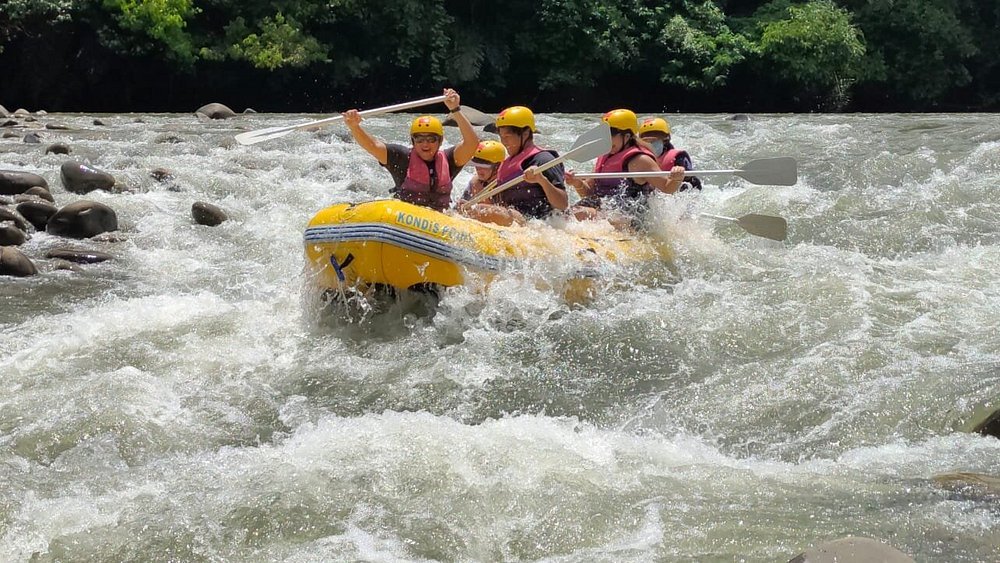
Enjoy white water rafting and tubing.
Because these attractions are close by, many travelers combine them into a full-day itinerary.
CLL Adventure Borneo – Your Gateway to Wild Sabah!
- Experience thrilling river cruises & nature adventures
- Explore Sabah’s hidden gems with local guides
- Encounter wildlife up close in their natural habitats
- Enjoy eco-friendly and culturally rich tours
- Perfect for adventurers, families & nature lovers
Adventure awaits with CLL Adventure Borneo!
Visit CLL Adventure Borneo for many others adventure package that you can do in Sabah!
This is Why You Should Visit Linangkit Cultural Village at Tuaran Sabah
Linangkit Cultural Village is one of Sabah’s most rewarding cultural attractions. With its immersive activities, traditional Lotud weaving, historical storytelling, and warm local hospitality, the village gives visitors a deeper understanding of Sabah’s diverse heritage. Because it preserves such meaningful traditions, the village is not only a travel destination but also a cultural sanctuary. Anyone interested in culture, local crafts, or community-based tourism should absolutely include Linangkit Cultural Village in their Sabah travel plans.



0 Comments