







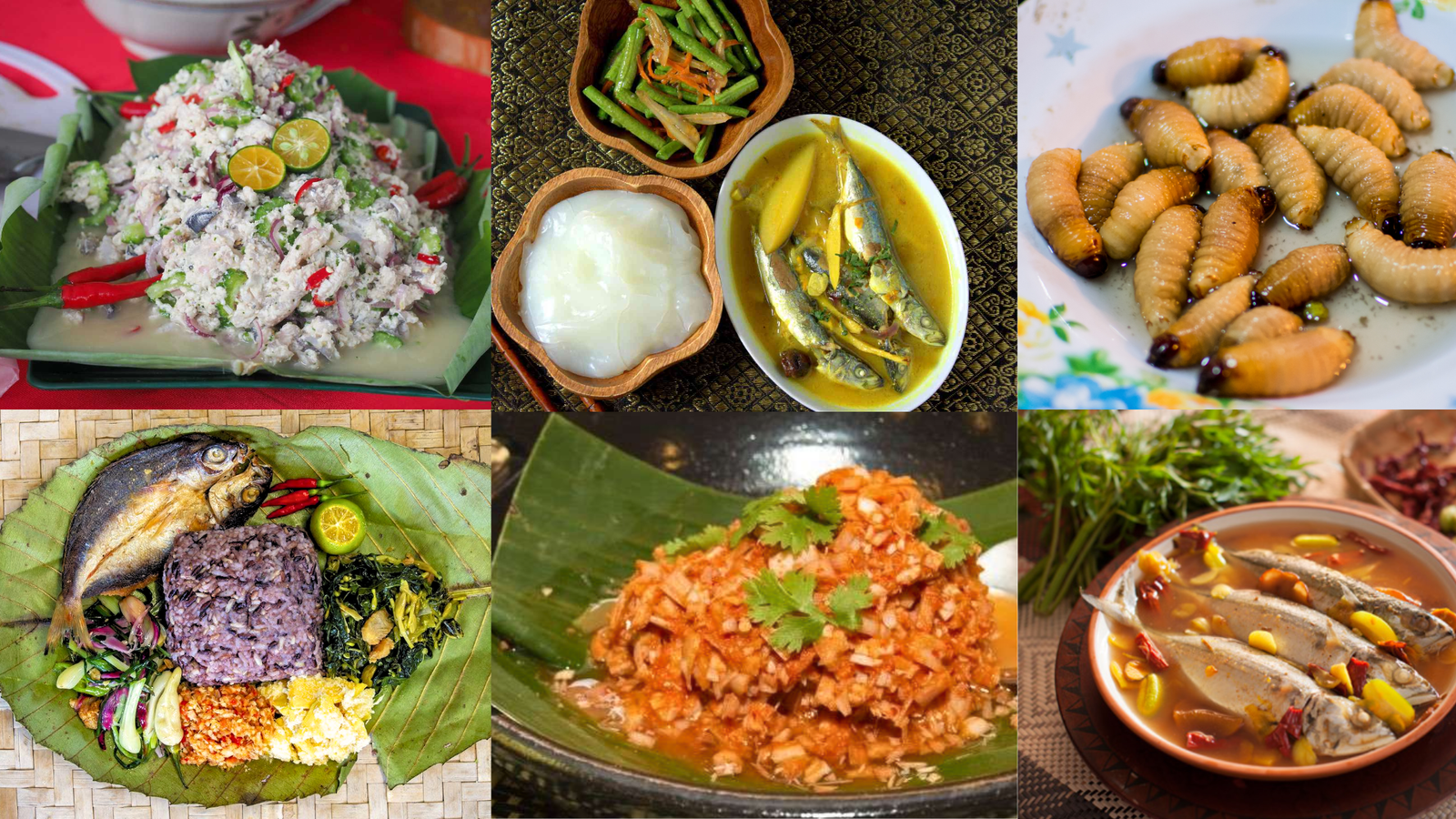
Local food in Sabah reflects the rich cultural diversity, natural abundance, and long-standing traditions of the people of Borneo. Because Sabah is home to more than 30 ethnic groups, its cuisine is incredibly varied, offering flavours and cooking styles that are rarely found elsewhere in Malaysia. As a result, exploring local food in Sabah is not only a culinary experience but also a cultural journey.
Moreover, Sabah’s geographical location on the island of Borneo means that fresh seafood, jungle produce, and traditional ingredients play a major role in daily cooking. Therefore, for travellers visiting Sabah, tasting local food is just as important as visiting Mount Kinabalu, island resorts, or rainforests.
Why Local Food in Sabah Is So Unique
Local food in Sabah stands out mainly because of its simplicity and authenticity. Unlike heavily spiced cuisines, many Sabahan dishes focus on preserving the natural taste of fresh ingredients. Instead of relying on heavy spices, Sabahan cooks highlight natural flavors through steaming, grilling, fermenting, and slow simmering.
Furthermore, families pass recipes down through generations, especially among the Kadazan-Dusun, Bajau, Murut, and Rungus communities. Because of this, local food in Sabah continues to represent culture, history, and daily life.
Must-Try Local Food in Sabah
Hinava – Traditional Kadazan-Dusun Delicacy
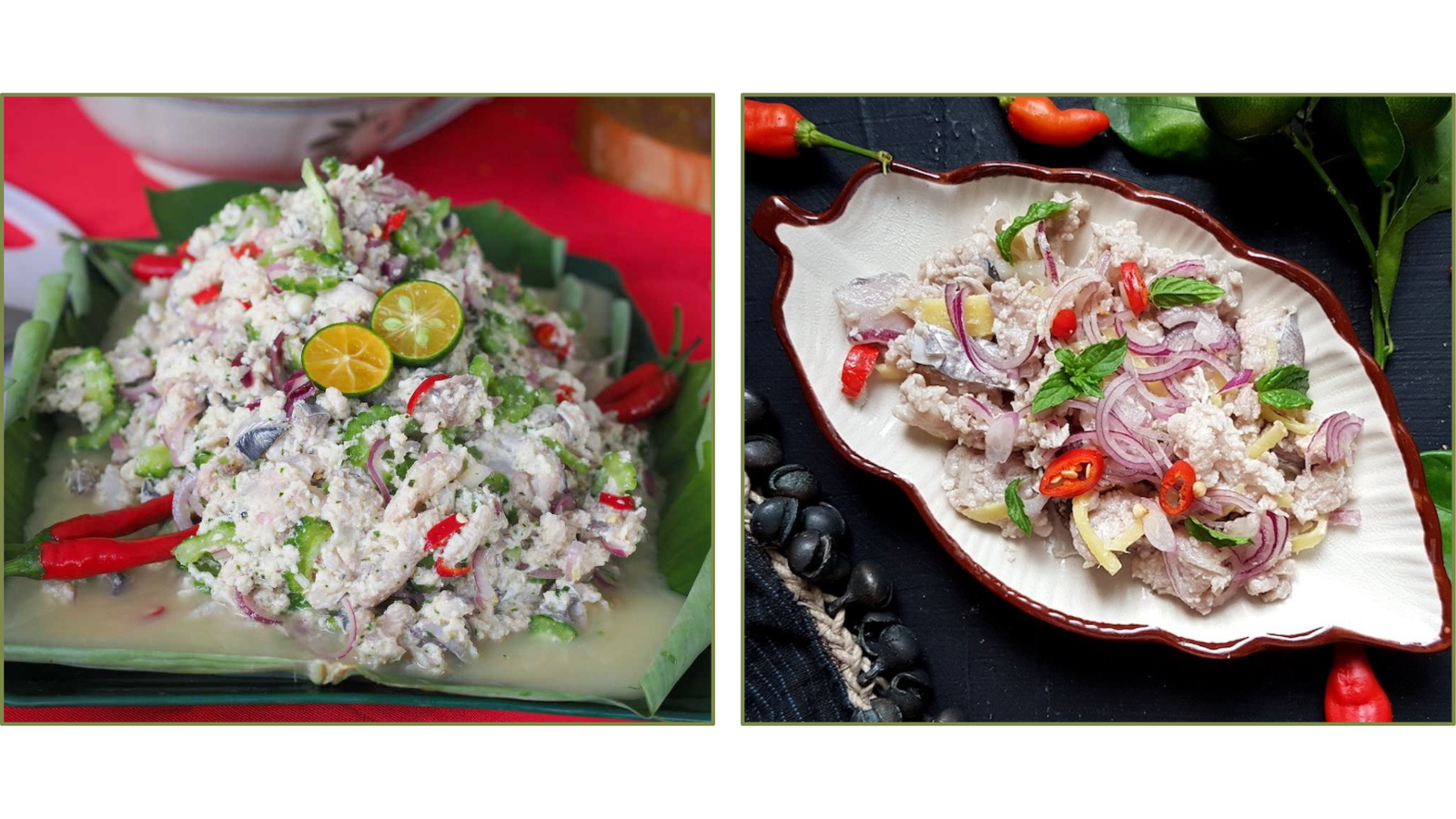
The Kadazan-Dusun community prepares Hinava using fresh raw fish cured in lime juice and mixed with chilli, ginger, shallots, and bitter gourd. This method creates a refreshing and tangy flavour without cooking. Moreover, families often serve Hinava during Kaamatan Festival and celebrations, which strengthens its cultural importance.
Ngiu Chap – Beloved Beef Noodle Soup

Local hawkers prepare Ngiu Chap by simmering mixed beef cuts in a rich broth and serving them with flat noodles. Many locals enjoy this dish for breakfast or lunch because it provides comfort and energy. Meanwhile, travellers often choose Ngiu Chap as an easy introduction to local food in Sabah.
Tuaran Mee – Famous Sabahan Fried Noodles

Cooks in Tuaran created Tuaran Mee, a well-known local noodle dish. They wok-fry egg noodles with egg, vegetables, and sometimes seafood or meat. In addition, diners appreciate Tuaran Mee for its smoky flavour and slightly chewy texture, which makes it a favourite among both locals and visitors.
Pinasakan – Traditional Fish Dish
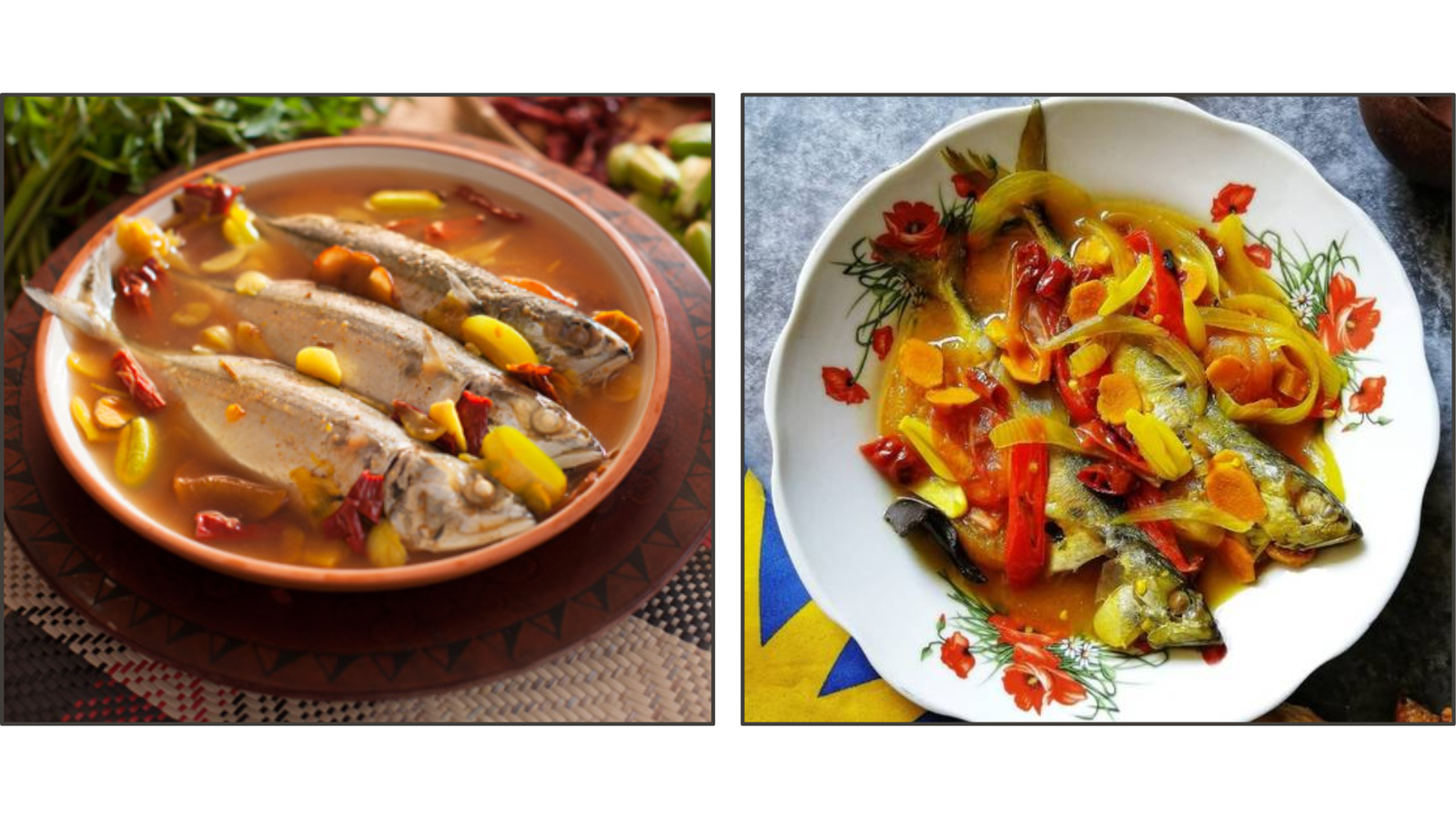
Sabahan cooks prepare pinasakan by simmering fish with bambangan (wild mango), turmeric, and salt. Unlike many Malaysian dishes, they do not use oil when cooking pinasakan. Therefore, many people consider this local food in Sabah healthier, as it highlights the use of natural ingredients.
Ambuyat – Indigenous Staple Food

Ambuyat is made from sago starch and is traditionally eaten by indigenous communities. It has a sticky texture and is usually dipped into sour, spicy, or fermented sauces. Although simple in appearance, ambuyat plays an important role in Sabahan food culture, especially in rural areas.
Linopot – Traditional Kadazan-Dusun Wrapped Rice
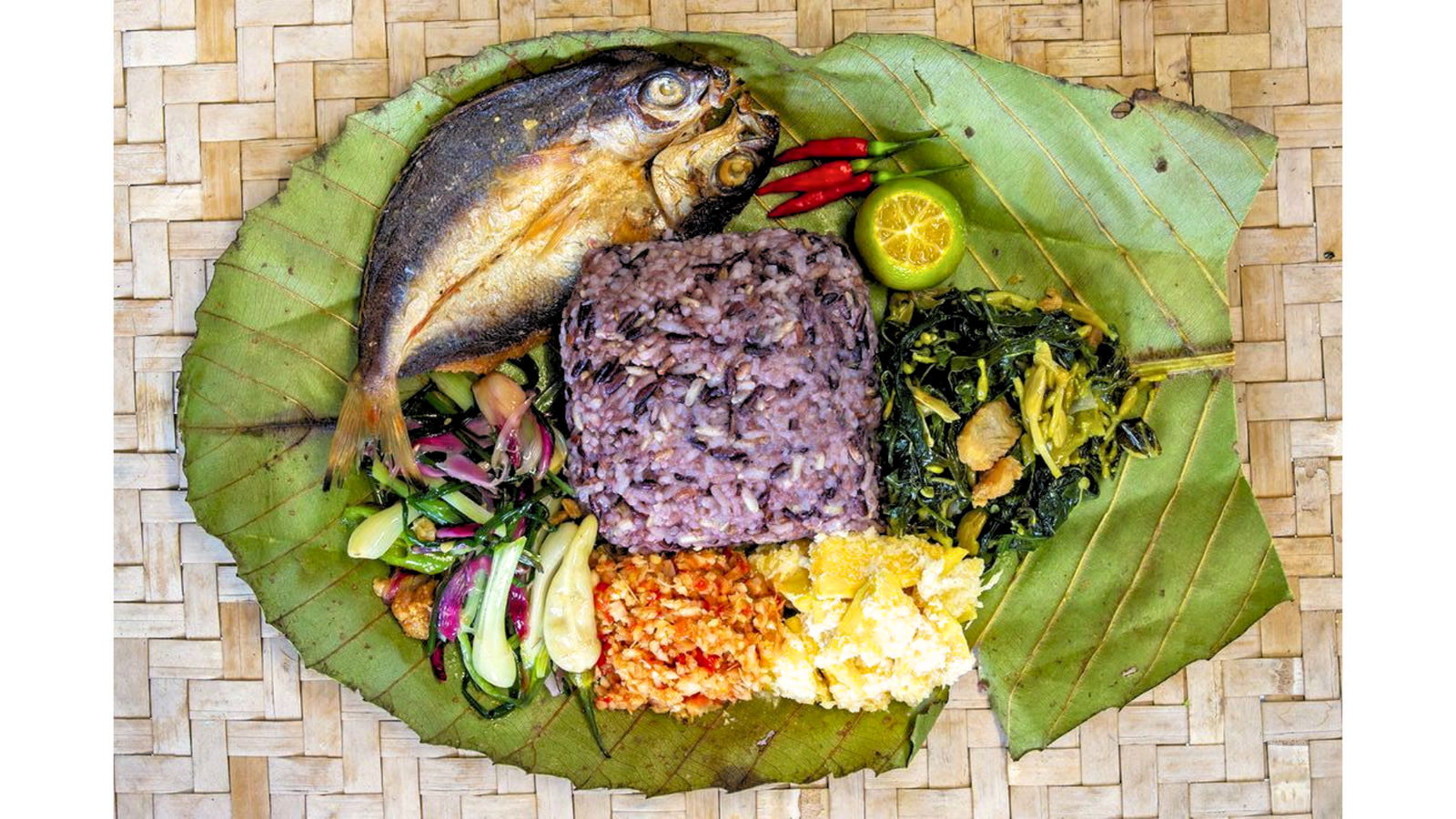
Linopot represents one of the most traditional forms of local food in Sabah, especially among the Kadazan-Dusun community. Locals prepare linopot by wrapping rice in natural leaves such as tarap, banana, or phacelia leaves before steaming it. This method gives the rice a subtle aroma and preserves its warmth for longer periods.
Moreover, families often serve linopot with traditional dishes like pinasakan, hinava, or grilled fish. Because villagers originally designed linopot for farming and outdoor work, the leaf wrapping made the rice easy to carry and environmentally friendly. As a result, linopot reflects both Sabahan ingenuity and sustainable food practices.
More Examples of Local Food in Sabah
Bambangan – Wild Mango Specialties

Bambangan is a wild mango native to Sabah and is used in many local dishes. It is often pickled or cooked with fish. As a result, bambangan adds a sour and slightly bitter flavour that is unique to local food in Sabah.
Tuhau – Aromatic Wild Ginger
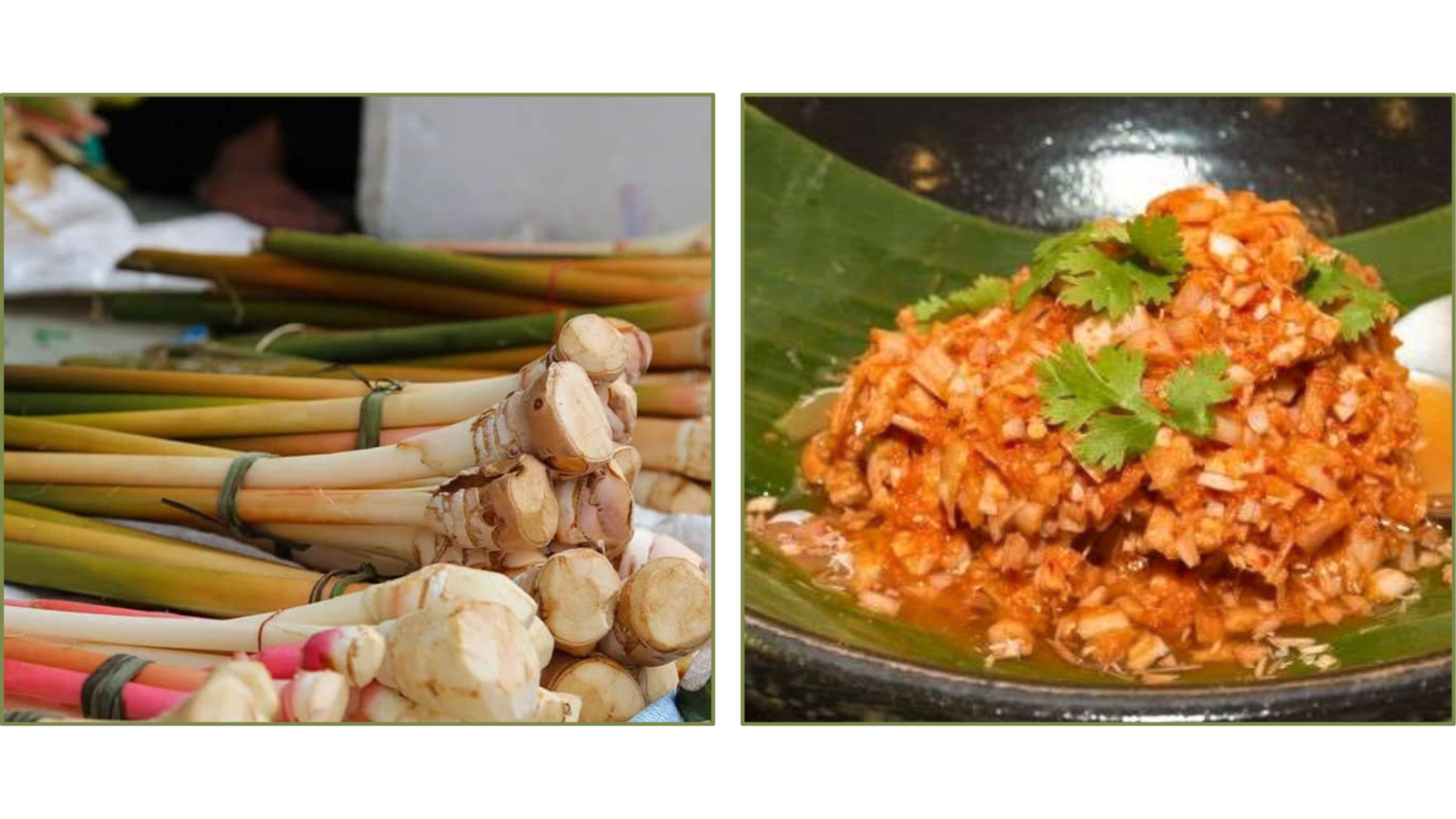
Locals use tuhau, a type of wild ginger, by eating it raw, pickling it, or stir-frying it. It delivers a strong aroma and a crunchy texture. Moreover, Sabahan households often mix tuhau with sambal or ikan bilis, which makes it a popular side dish.
Latok – Sea Grapes
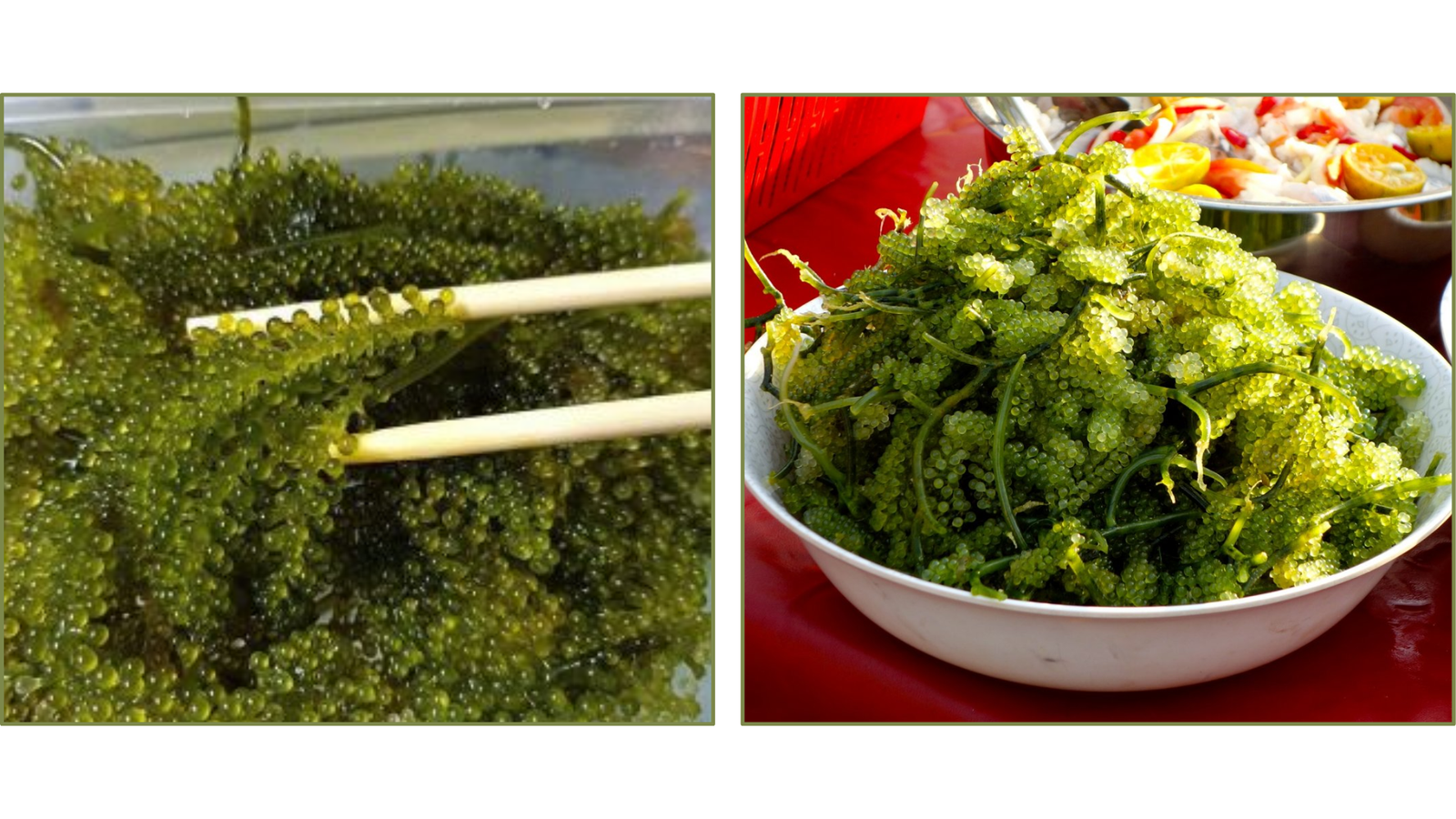
Latok, also known as sea grapes, is a type of edible seaweed commonly found in coastal areas. It is usually eaten fresh with sambal or lime juice. Because of its natural saltiness and crunchy texture, latok is a refreshing local food in Sabah, especially during hot weather.
Butod – Sago Worms
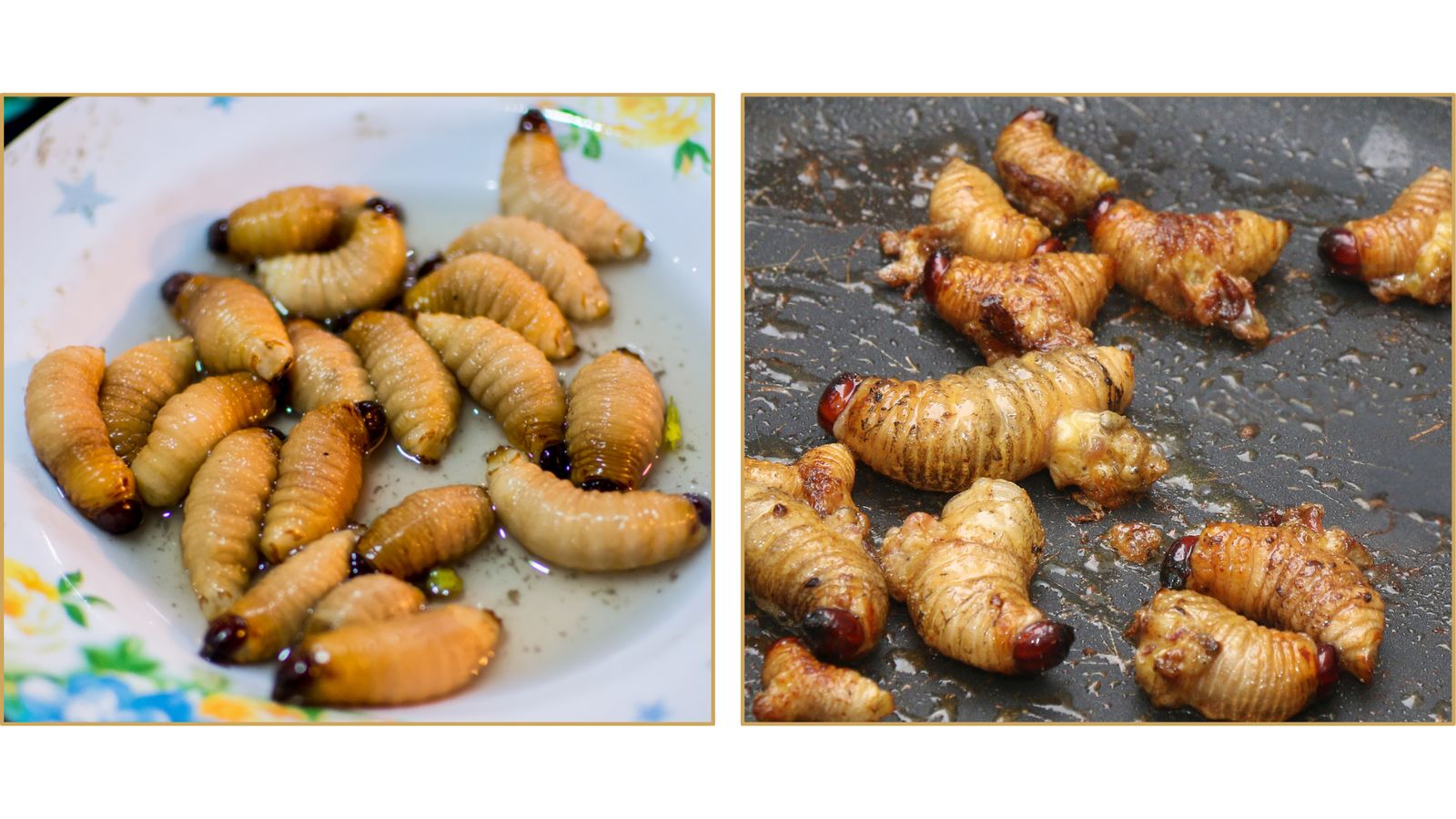
Butod ranks as one of the most adventurous local foods in Sabah. Indigenous communities traditionally eat these sago worms raw or lightly fry them. Although the dish may sound unusual, many locals consider butod a delicacy and value it for its high protein content.
Sinalau Bakas – Smoked Wild Boar
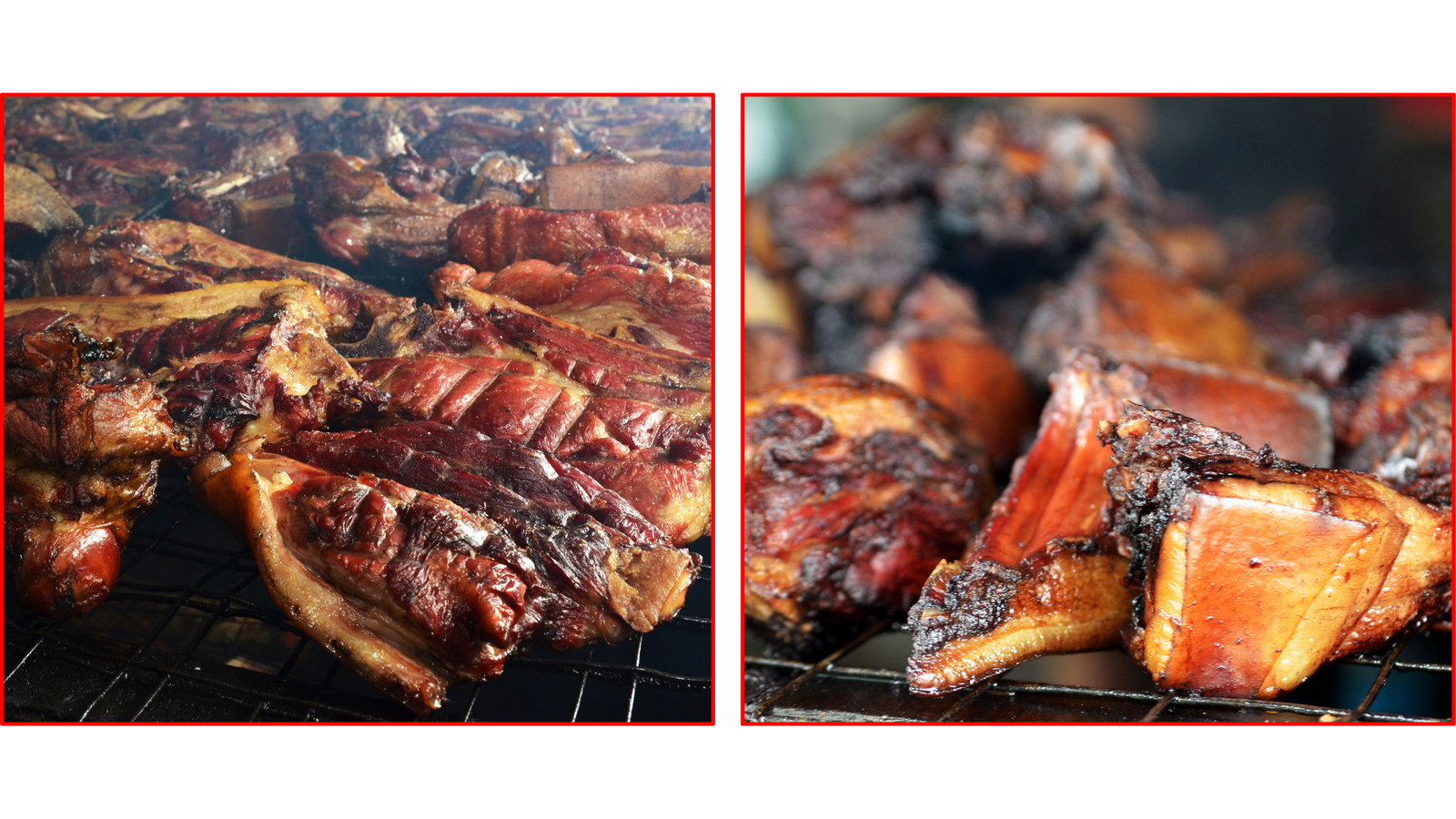
Sinalau Bakas is smoked wild boar meat, traditionally prepared by the Kadazan-Dusun community. Furthermore, the smoking process gives the meat a deep, smoky flavour, making it popular during festivals and special occasions.
Bosou – Fermented Meat or Fish
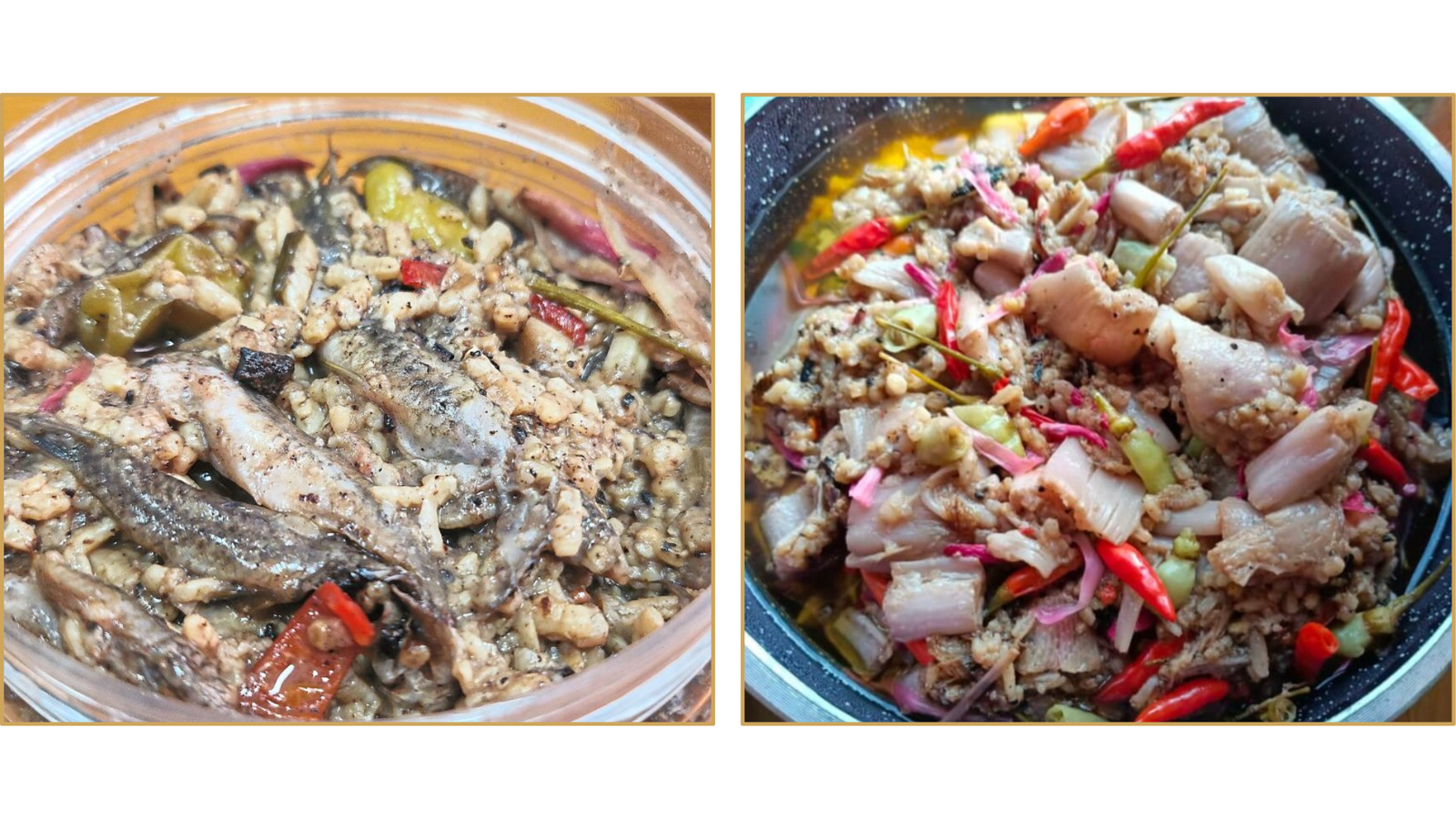
Bosou is a fermented dish made from fish or meat mixed with rice and salt. It is often served as a side dish. As a result of the fermentation process, bosou has a strong aroma and unique taste that reflects traditional food preservation methods.
You can Found the Local Food at Markets
Visiting markets is one of the best ways to experience the local food.
Common market finds include:
- Grilled fish and seafood
- Fried bananas and sweet potatoes
- Traditional kuih muih
- Fresh tropical fruits
- Fermented and pickled foods
Meanwhile, markets such as Gaya Street Sunday Market and Kota Kinabalu Central Market offer both snacks and full meals.
Rent Car from Sabah Car Rental
If you wanted to make a tour in Sabah to search many interesting local foods, Sabah Car Rental is the best option for you to enjoy your food hunting in Sabah!
- Flexibility – No need to rely on fixed tour schedules.
- Convenience – Perfect for families, groups, and adventurous travelers.
- Day Trips Made Easy – You can visit anywhere you want in Sabah
- Affordable – Sabar Car Rental prices are reasonable compared to other destinations in Malaysia.
Travel Tip: Always book your car rental in advance during peak holiday seasons to avoid last-minute price hikes.
Note: Sabah Car Rental are available at Kota Kinabalu and Sandakan where it was the pick-up point of the car.
Local Food in Sabah for Seafood Lovers
Because Sabah is surrounded by the sea, seafood plays a major role in its cuisine.
Popular seafood dishes include:
- Grilled fish with sambal
- Butter prawns
- Salted egg crab
- Steamed clams and scallops
Consequently, seafood restaurants in Kota Kinabalu, Sandakan, and Semporna are famous for freshness and value.
Local Food in Sabah During Festivals
Local food in Sabah becomes even more exciting during festivals.
For example:
- Kaamatan Festival features traditional dishes and rice wine
- Hari Raya offers Malay delicacies
- Chinese New Year brings special festive foods
Therefore, visiting Sabah during festive seasons provides a deeper food experience.
Tips for Enjoying Local Food in Sabah
To fully enjoy local food here in Sabah:
- Try new dishes with an open mind
- Ask locals for recommendations
- Visit early morning markets
- Start with popular dishes before adventurous ones
- Respect local customs
As a result, your food journey will be both enjoyable and memorable.
This is Why Local Food in Sabah Is Worth Exploring
In conclusion, local food in Sabah offers an extraordinary blend of tradition, nature, and cultural heritage. From well-known dishes like Hinava and Tuaran Mee to unique ingredients such as bambangan, tuhau, and latok, Sabah’s cuisine is rich and diverse. Therefore, for anyone visiting Borneo, exploring local food in Sabah is an essential part of understanding the region and its people.



0 Comments